Why Choose Backyard Aquaponics?
By the end of this page, you'll understand why backyard aquaponics has become one of the easiest and most rewarding ways to grow fresh food at home, and whether it's the right choice for you.
There are many ways to grow your own food.
You could plant a traditional vegetable garden, build raised garden beds or grow vegetables in pots.
So why are more and more people choosing backyard aquaponics?
For many people, it comes down to growing more food with less guesswork.
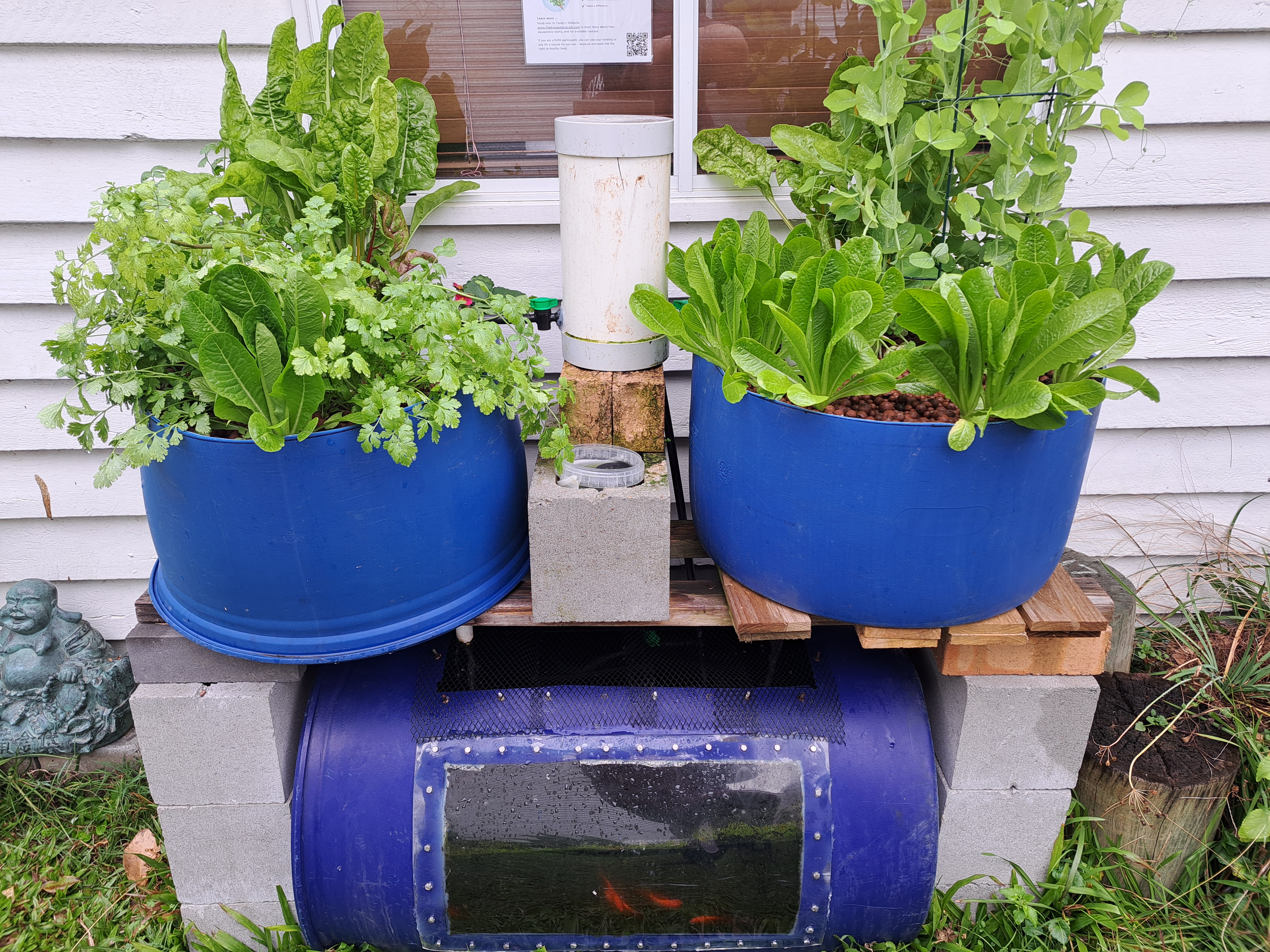
Backyard aquaponics combines fish, plants, beneficial bacteria and water into one balanced ecosystem that continually supports itself.
Instead of constantly watering, fertilising and improving the soil, the fish provide a continuous source of nutrients, while the plants naturally help clean the water before it returns to the fish.
The result is a productive system that can grow fresh vegetables, herbs and fish in backyards, courtyards, patios and many other spaces where traditional gardening can be more difficult.
Whether you're looking to grow healthier food, make better use of a small backyard or simply enjoy learning something new, backyard aquaponics offers a practical and rewarding way to do it.
Grow Real Food, Not Just Herbs
This is where we challenge one of the biggest misconceptions about aquaponics.
Many people picture a few herbs sitting beside a fish tank.
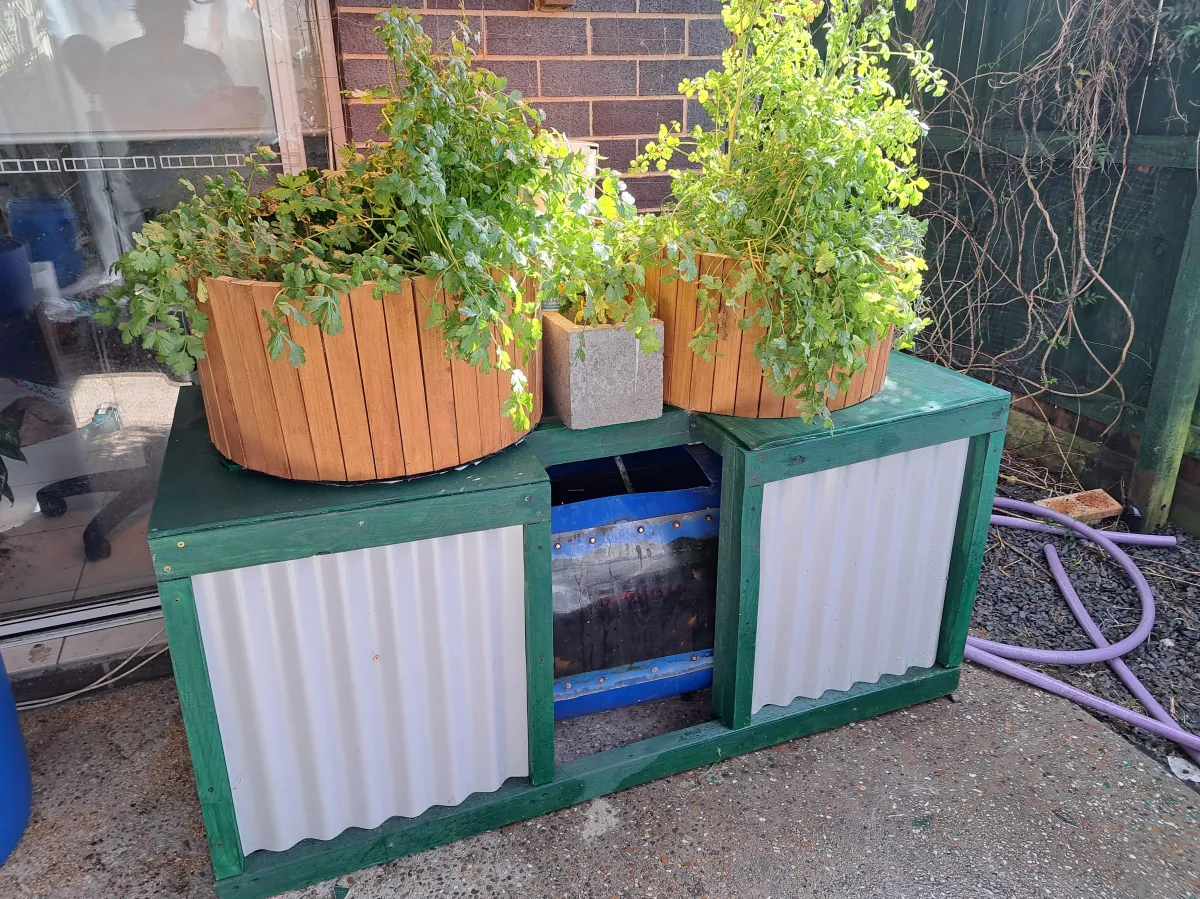
While herbs certainly grow well, they're only a small part of what backyard aquaponics can produce.
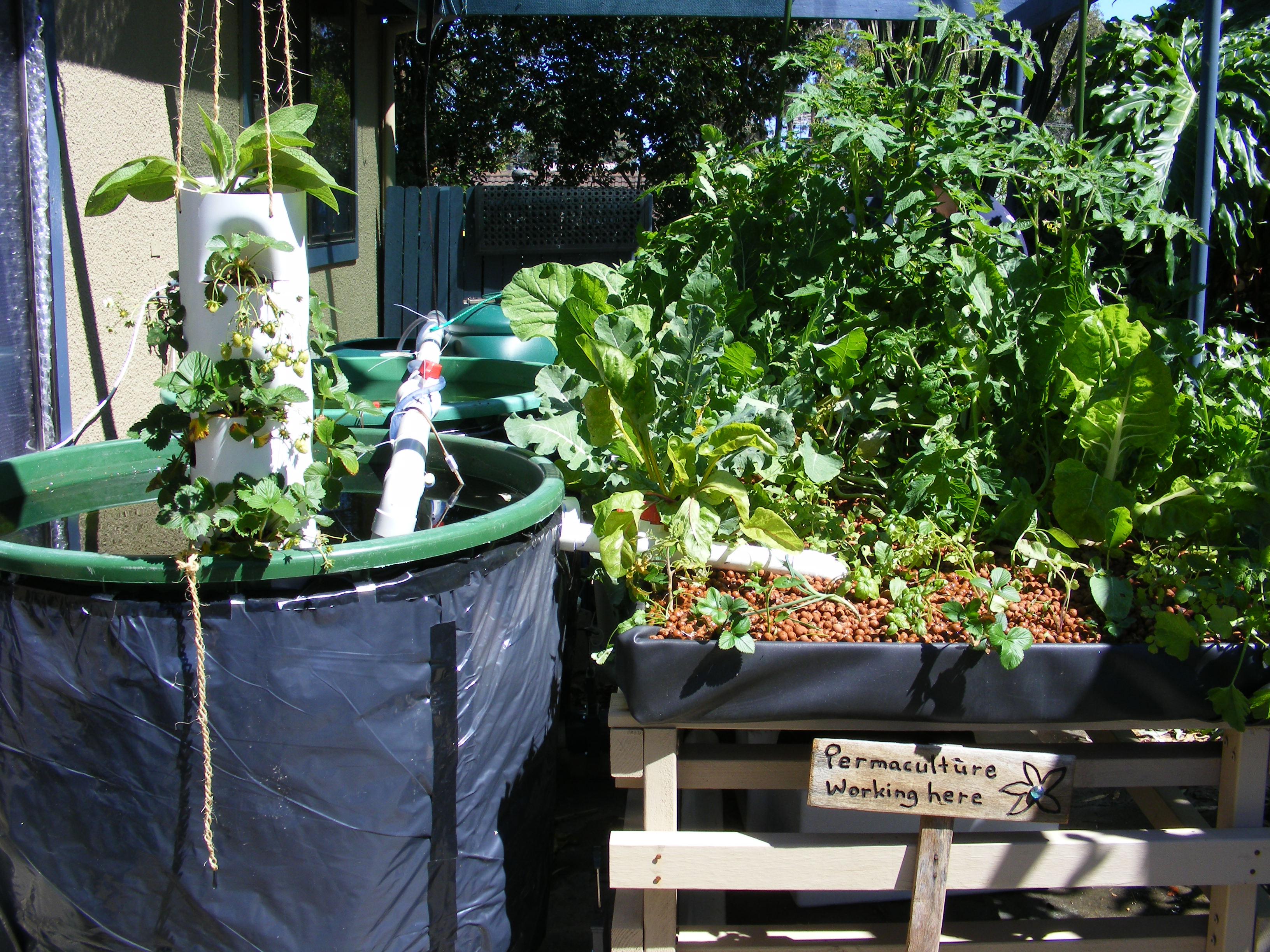
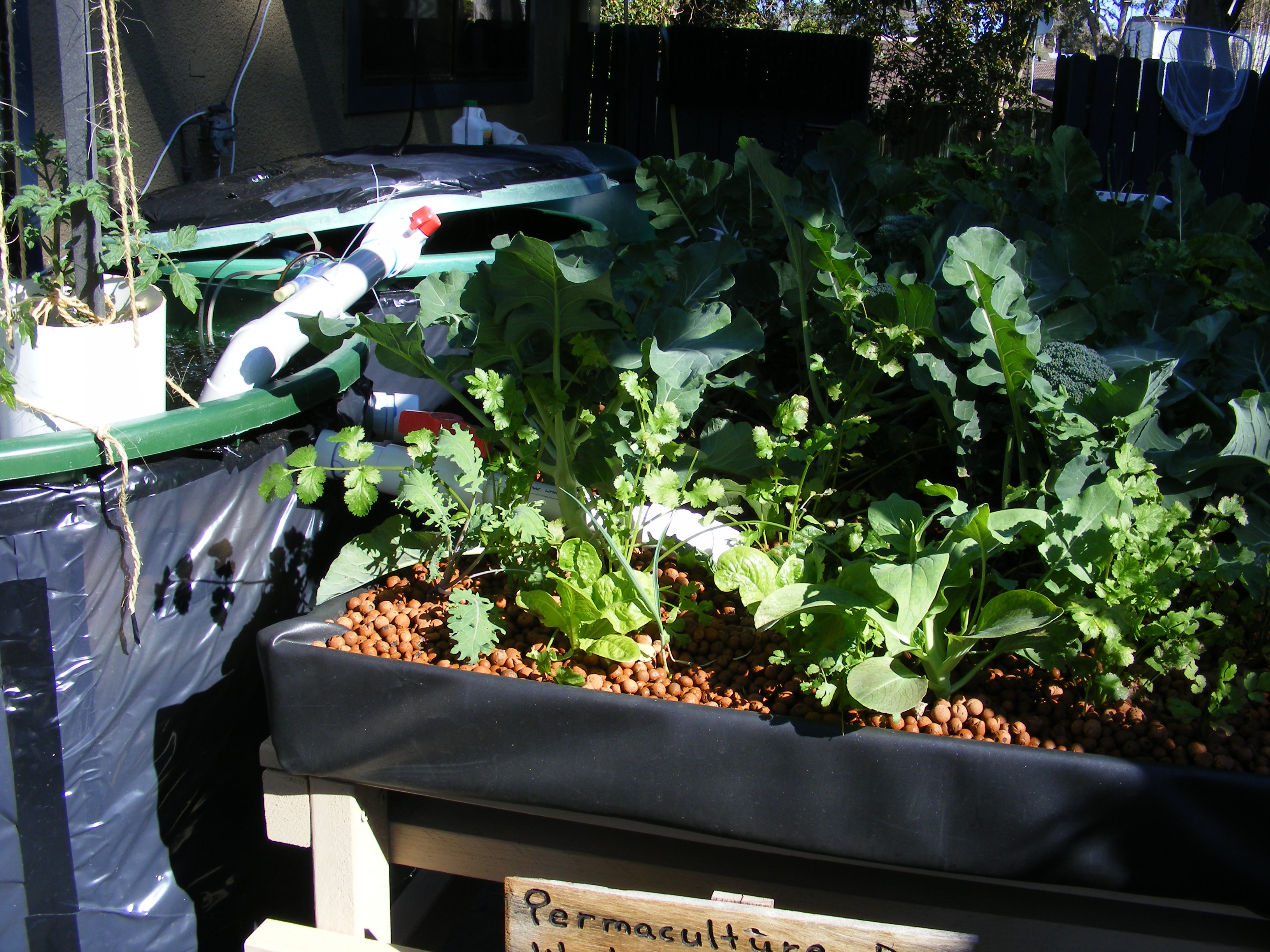
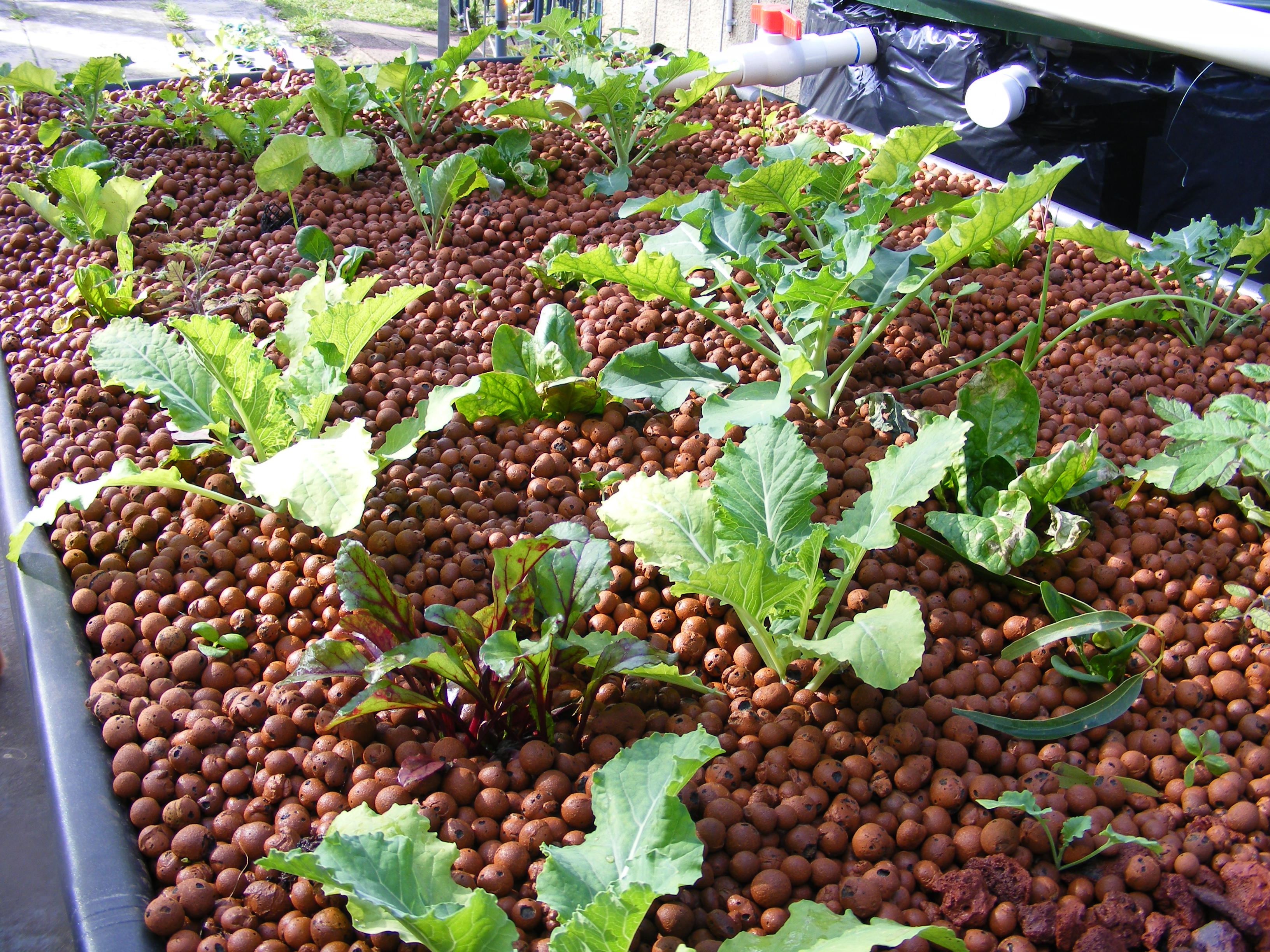
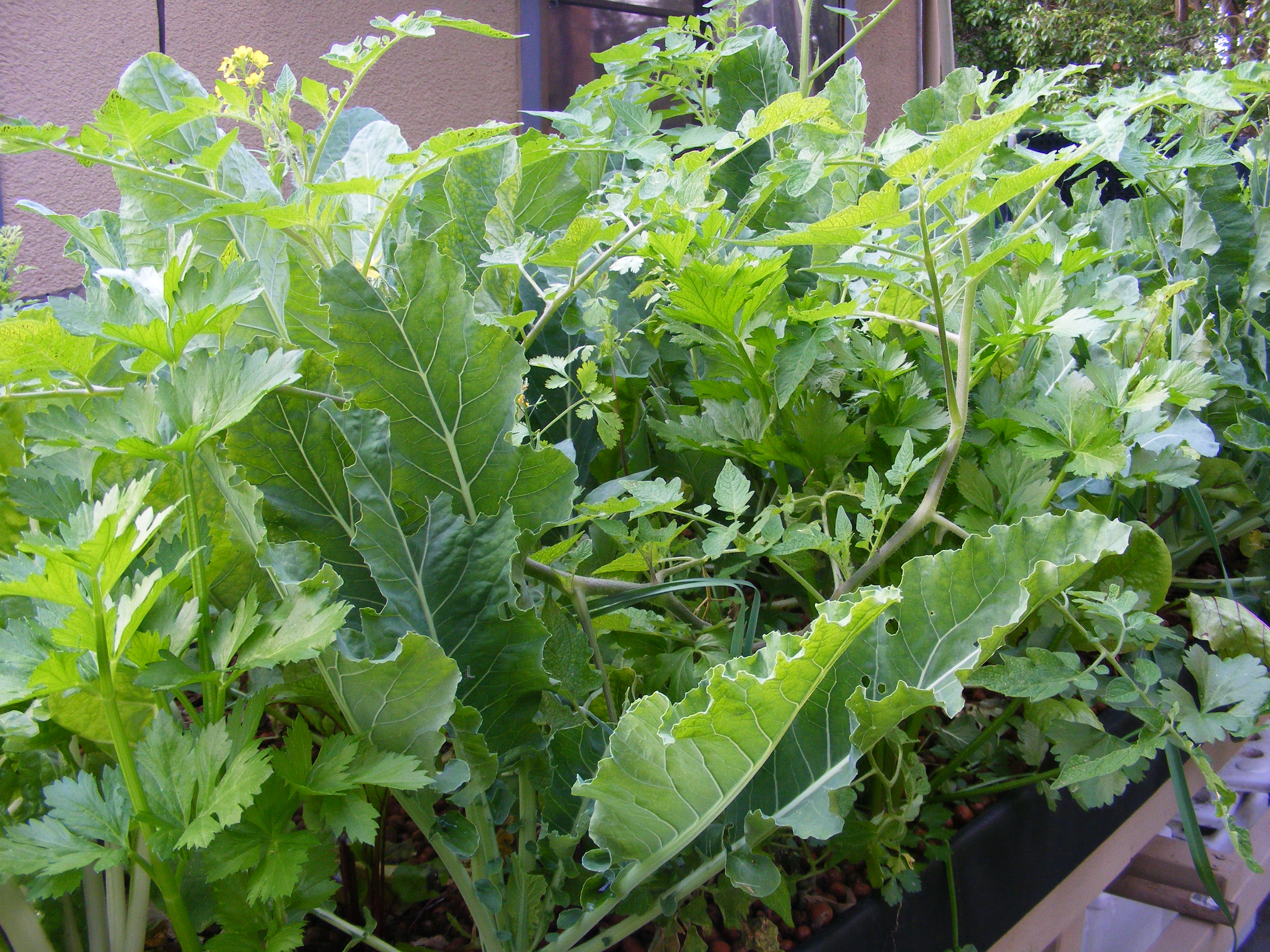
Over the years I've grown broccoli, tomatoes, capsicums, cucumbers, zucchini, beans, strawberries and many other seasonal vegetables in backyard systems.
These aren't novelty crops.
These are the vegetables many families already cook with every week.
They're the ingredients for everyday family meals.
When designed well, even relatively compact aquaponics systems can produce an impressive amount of fresh food throughout the year.
Grow Food Almost Anywhere
One of the biggest advantages of backyard aquaponics is that it isn't limited by the quality of your soil.
Many people assume they need a large backyard with rich, fertile soil before they can grow their own food.
The reality is that many suburban backyards have poor soil, compacted clay, years of chemical use or very little garden space at all.
Others are mostly concrete, paving or brick courtyards.
That's where aquaponics really shines.
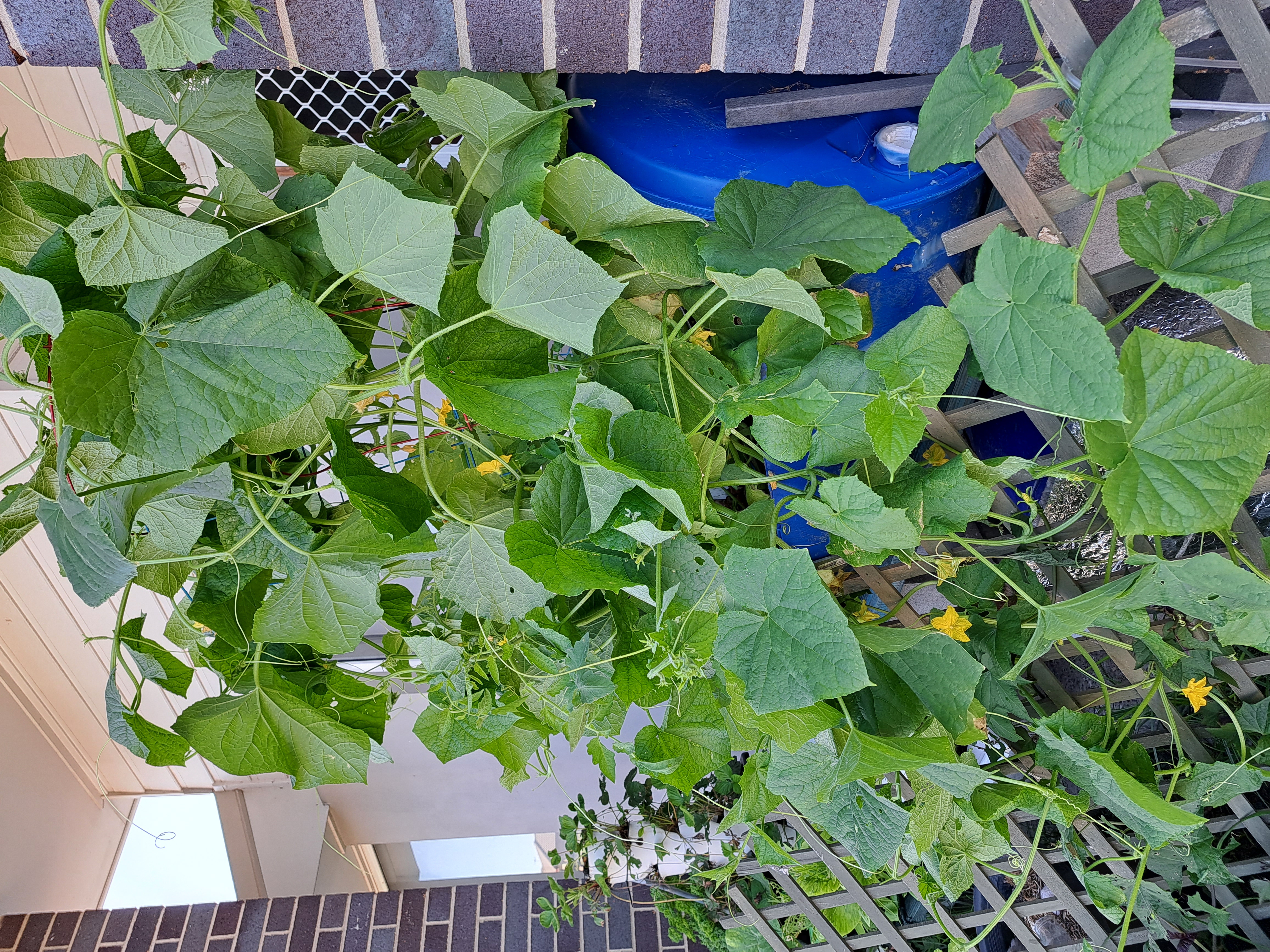
Because the plants grow in grow beds rather than directly in the ground, you can build an aquaponics system almost anywhere there is enough sunlight.
A small courtyard.
A paved patio.
A compact suburban backyard.
Even many rental properties.
A backyard doesn't have to be perfect to become productive.
Instead of spending months improving poor soil, building raised garden beds or worrying about damaging the lawn, aquaponics allows you to create a productive growing space above the ground.
It isn't about having the perfect backyard.
It's about making the most of the space you already have.
Whether you have a large backyard or a small courtyard, the same natural principles apply.
Healthy fish.
Healthy bacteria.
Healthy plants.
The only thing that changes is the size of the system.
Healthy Food Is About More Than Good Soil
Growing healthy food starts long before you plant your first seedling.
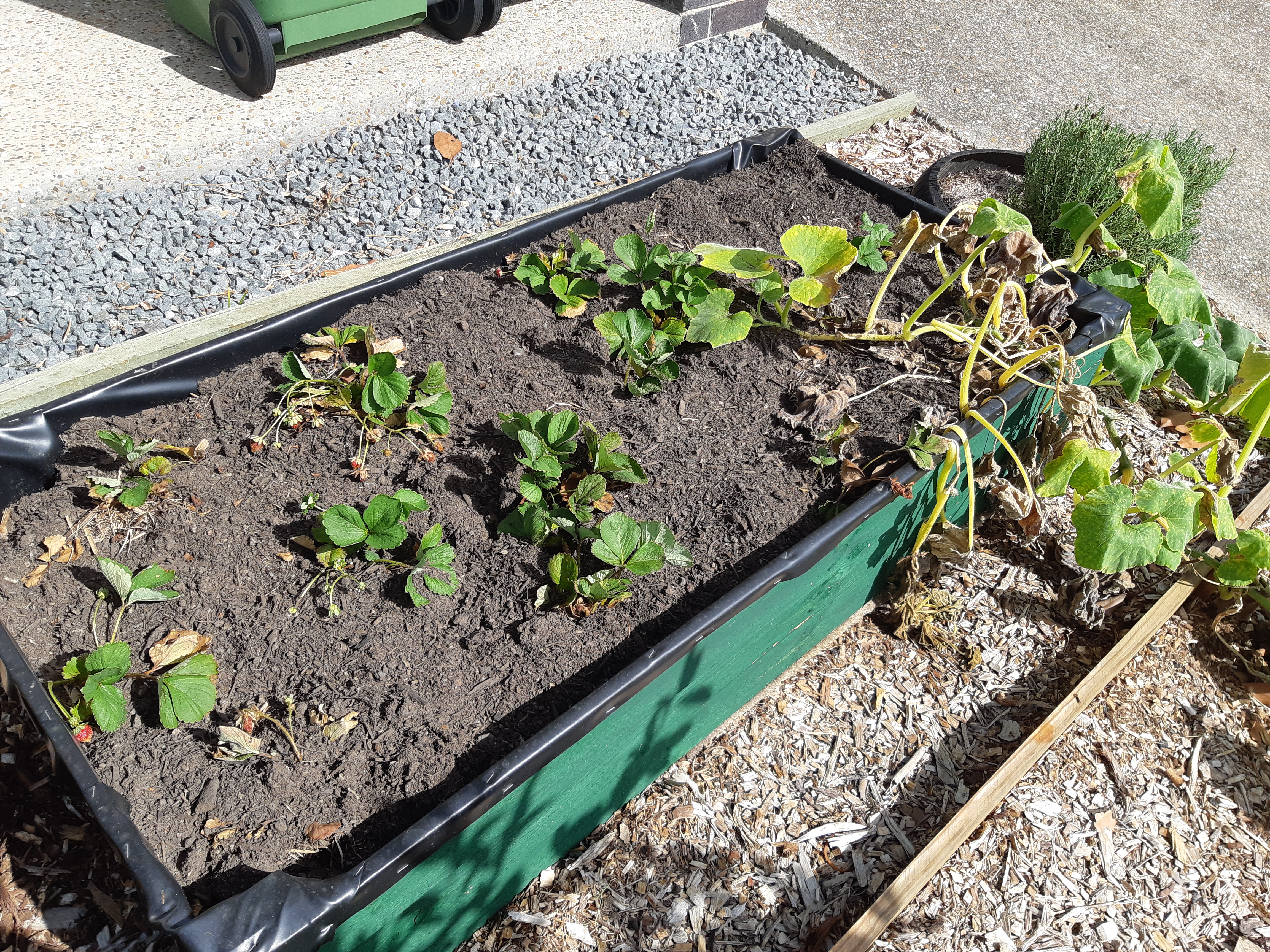
For generations, traditional vegetable gardens have relied on healthy, living soil to provide plants with the water and nutrients they need to grow.
Unfortunately, many suburban backyards aren't like that anymore.
Years of building, heavy foot traffic, chemical use and repeated gardening can leave soil compacted, depleted or lacking the life needed to grow healthy vegetables.
For many new gardeners, the first step isn't planting vegetables.
It's improving the soil.
That often means buying quality soil, compost, fertiliser and mulch before the first crop is even planted.
Those costs don't stop after the first harvest.
As vegetables grow, they use the nutrients stored in the soil. Over time those nutrients need replacing, meaning compost, fertiliser and mulch become part of the ongoing cost of maintaining a productive vegetable garden.
Aquaponics takes a different approach.
Instead of relying on soil, the fish continually provide nutrients through their natural waste.
Beneficial bacteria convert those nutrients into plant food, while the circulating water delivers them directly to the roots.
Rather than continually rebuilding the soil, you're maintaining a healthy ecosystem.
That doesn't mean aquaponics is better than every soil garden.
Many people enjoy traditional gardening, and healthy soil is one of nature's greatest resources.
But if your backyard has poor soil, very little garden space or you simply want a growing system that continually supplies water and nutrients, aquaponics offers a practical alternative.
When comparing the cost of a backyard aquaponics system, don't compare it to an empty patch of dirt.
Compare it to building and maintaining a productive vegetable garden over many years.
Sometimes the upfront investment tells only part of the story.
Healthy food doesn't begin with choosing a growing method. It begins with choosing the one that best suits your home, your lifestyle and the way you want to grow.
Fresh Fish and Fresh Vegetables Together
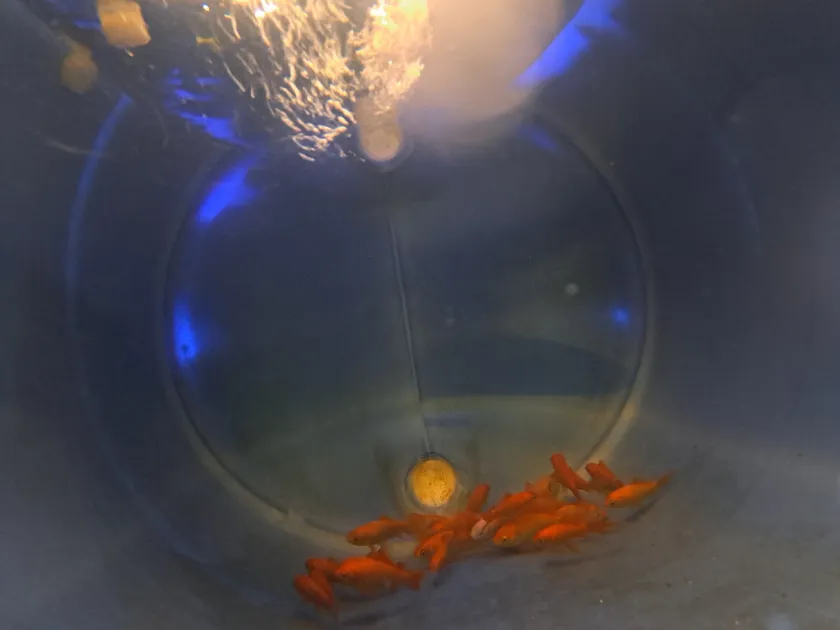
One of the things that makes aquaponics different from almost every other way of growing food is that you're not just growing vegetables.
You're also caring for fish.
The fish are much more than another part of the system.
Without healthy fish, there is no healthy aquaponics system.
As the fish eat and grow, they naturally produce waste. Beneficial bacteria convert that waste into nutrients the plants can absorb, while the plants help clean the water before it returns to the fish.
It's a natural cycle that has been happening in rivers and lakes for thousands of years.
Backyard aquaponics simply brings that ecosystem together in a practical way that allows families to grow food at home.
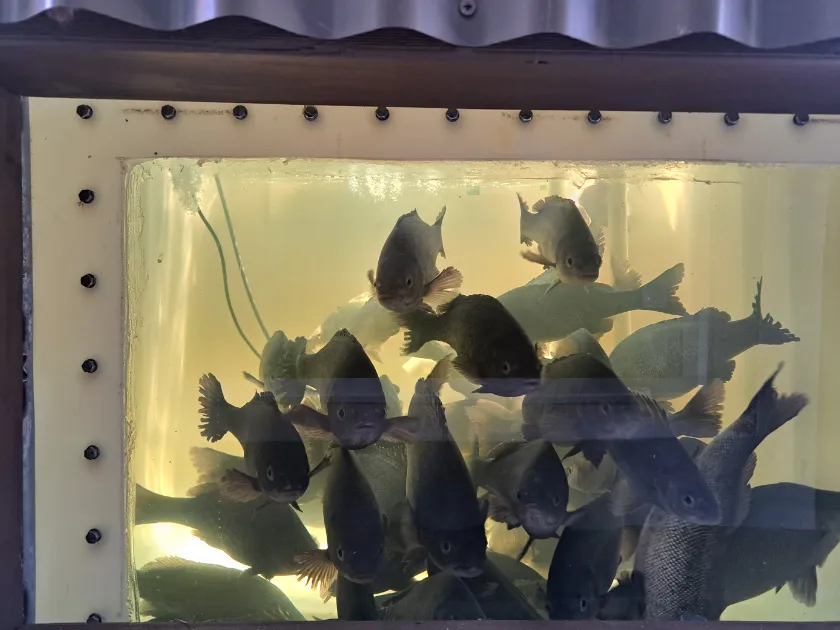
Some people choose edible fish such as silver perch, trout, jade perch or barramundi, depending on where they live and local regulations.
Others simply enjoy keeping ornamental fish while learning how the ecosystem works.
Whichever fish you choose, caring for healthy fish leads to healthy plants.
That's why one of the first things I teach is this:
Look after the fish, and the system looks after itself.
A Living Classroom
One of the things I enjoy most about aquaponics is that it never stops teaching you.
Every day you can observe something different.
A new leaf.
A flowering tomato.
Fish gathering for their morning feed.
Seedlings putting down roots.
Children quickly begin to understand that fish, bacteria, plants and water all depend on one another.
Adults often find themselves learning too.
Water quality.
Fish behaviour.
Plant nutrition.
Seasonal growing.
Problem solving.
Rather than simply reading about ecosystems in a book, you're caring for one every day.
For many families, that's one of the greatest rewards of backyard aquaponics.
You aren't just growing food.
You're learning how nature works.
A Hobby That Gives Back
Most hobbies cost money.
Some provide entertainment.
Others help you relax or learn a new skill.
Backyard aquaponics does all of those things, but it also gives something back.
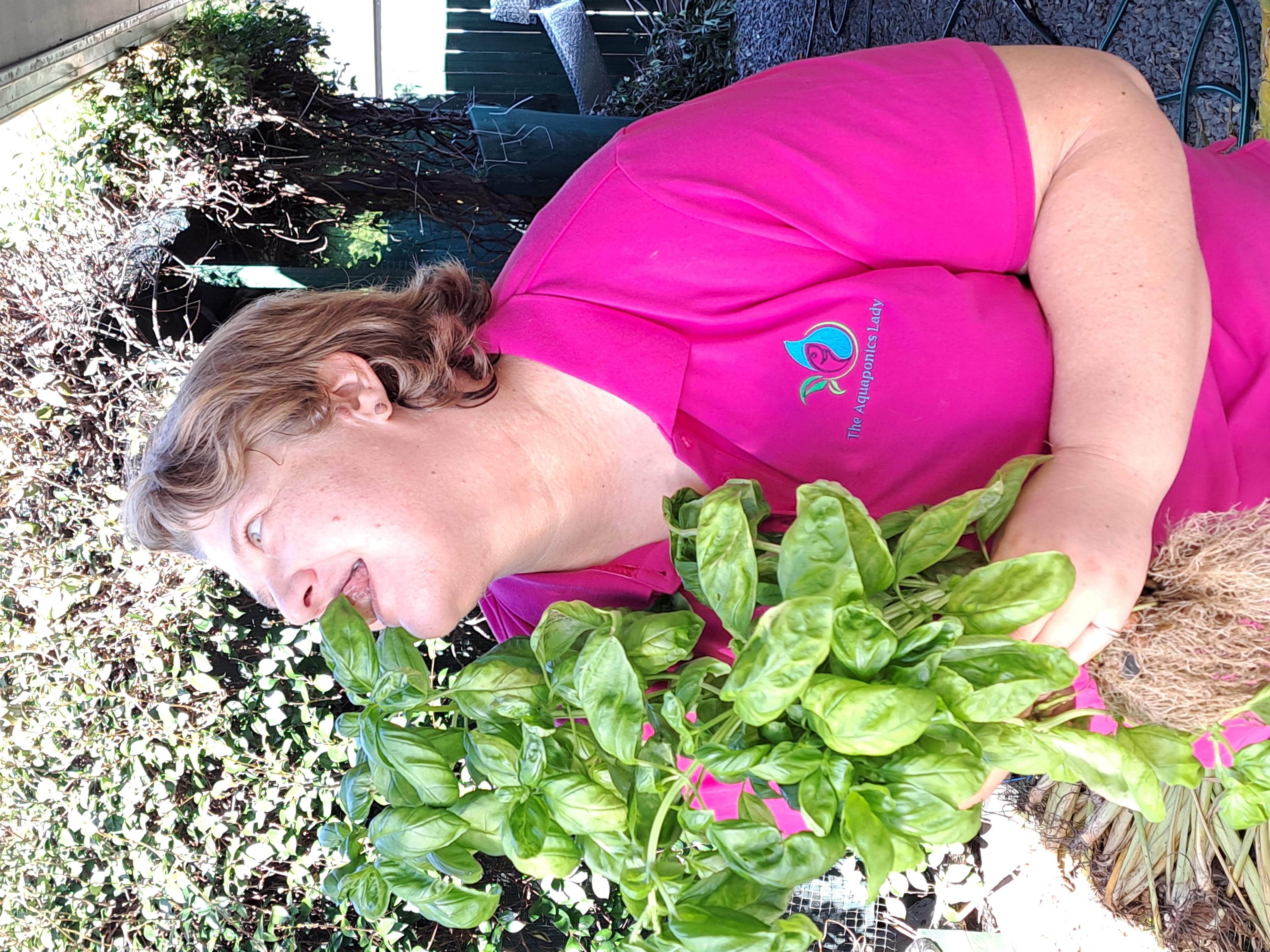
It gives you fresh food.
It gives you fresh food you can feel good about eating.
It gives you practical knowledge that grows with every season.
Each morning begins with feeding the fish and checking how the plants are growing.
Before long, you'll find yourself noticing new flowers, tiny seedlings appearing, tomatoes beginning to ripen and vegetables that are finally ready to harvest.
Instead of simply buying food from the supermarket, you become part of the growing process.
There's a real sense of satisfaction in picking vegetables you've grown yourself and sharing them with family and friends.
Many people start aquaponics because they want to grow food.
They continue because they genuinely enjoy spending time with their system.
Backyard aquaponics isn't about building the biggest system or producing the most vegetables.
It's about creating a simple ecosystem that grows healthy food for the people you care about.
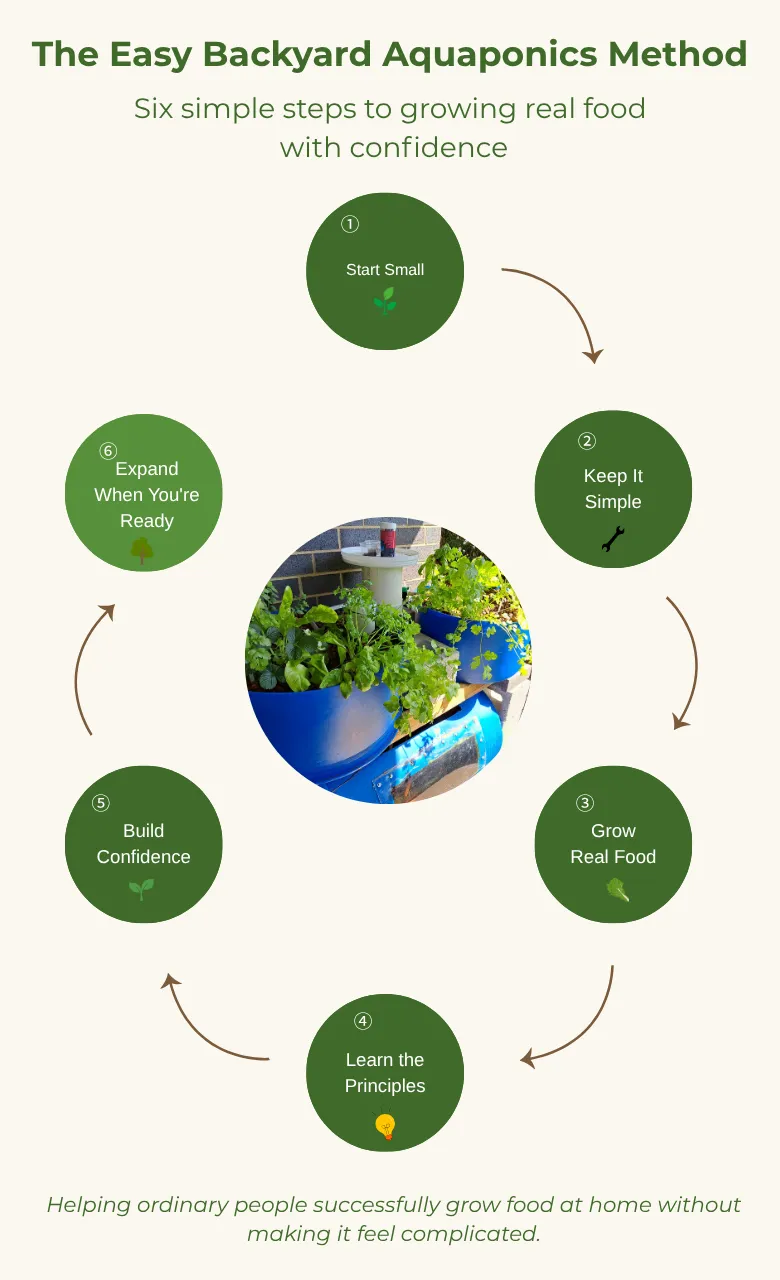
The Easy Backyard Aquaponics Method
1. Start Small
Build a system that suits your available space, budget and confidence.
2. Keep It Simple
Choose reliable designs and affordable materials rather than unnecessary complexity.
3. Grow Real Food
Focus on producing vegetables and herbs your household will actually enjoy eating.
4. Learn the Principles
Understand why the system works instead of simply copying someone else's design.
5. Build Confidence
Allow each season and each harvest to increase your knowledge.
6. Expand When You Are Ready
Once you've mastered the fundamentals, the same principles apply whether your next system is 500 litres or 5,000 litres.
Ready to Start Growing Fresh Food at Home?
You don't need acreage.
You don't need perfect soil.
You don't need years of gardening experience.
Backyard aquaponics gives ordinary people a practical way to grow fresh vegetables, herbs and fish at home using a simple, living ecosystem.
Whether you're working with a courtyard, a rental property, a small backyard or a larger outdoor space, the same principles apply.
Start with a system you can understand.
Grow food your family enjoys eating.
Let your confidence build from there.
Copyright 2026 | Easy Backyard Aquaponics | All Rights Reserved Email: [email protected] Queensland, Australia