Aquaponics for Renters
Growing your own food shouldn't stop just because you're renting.
Many renters dream of having a productive vegetable garden, only to discover their backyard is mostly concrete, covered in pavers or comes with a landlord who doesn't want the lawn disturbed.
The good news is that growing fresh food doesn't have to mean digging garden beds or building permanent structures.
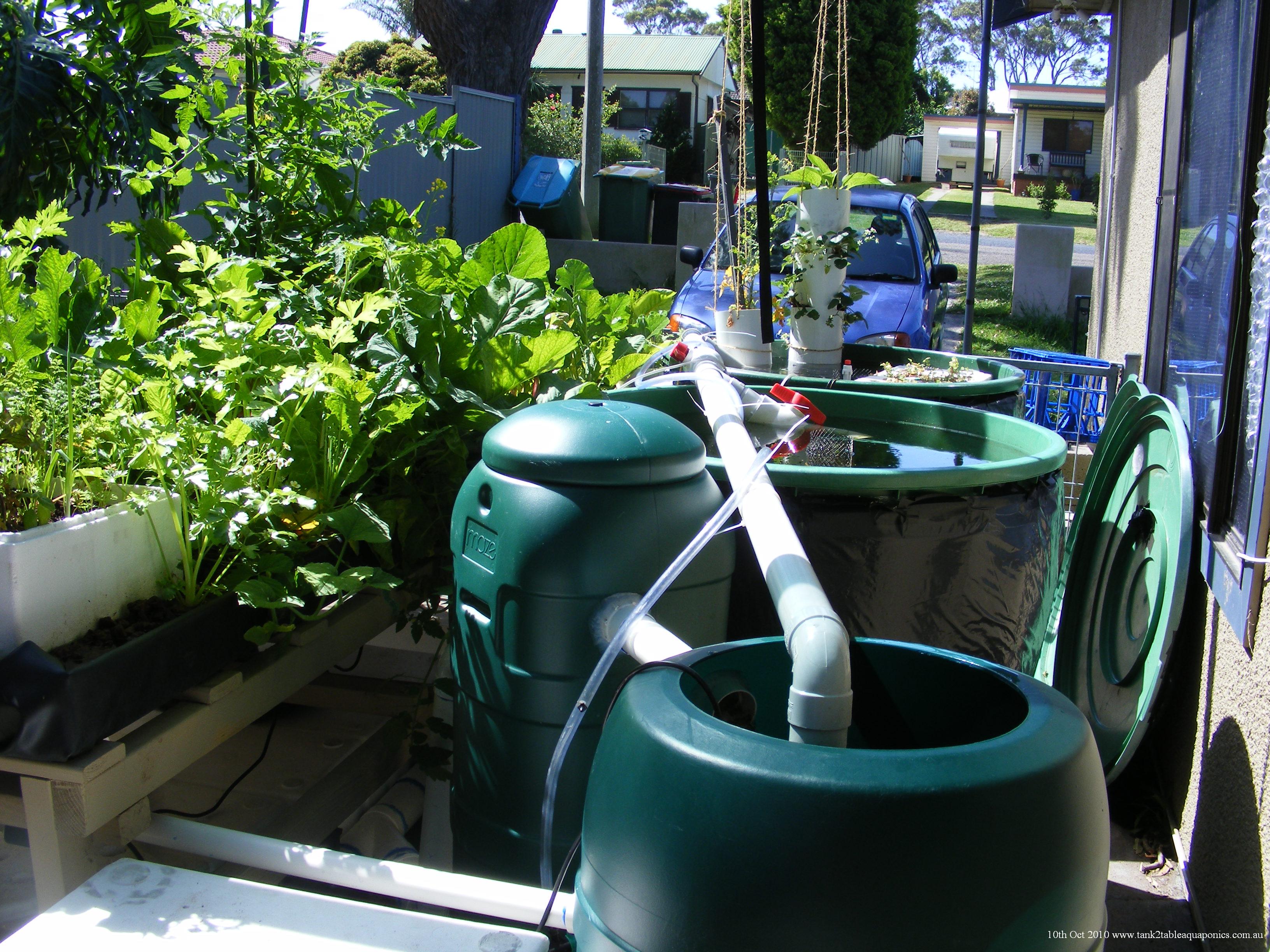
A well-designed backyard aquaponics system can produce vegetables, herbs and fish while sitting neatly on an existing patio or courtyard.
Better still, when it's time to move, the entire system can move with you.
Whether you're renting a townhouse, unit or family home, aquaponics can make growing healthy food much easier than you might think.
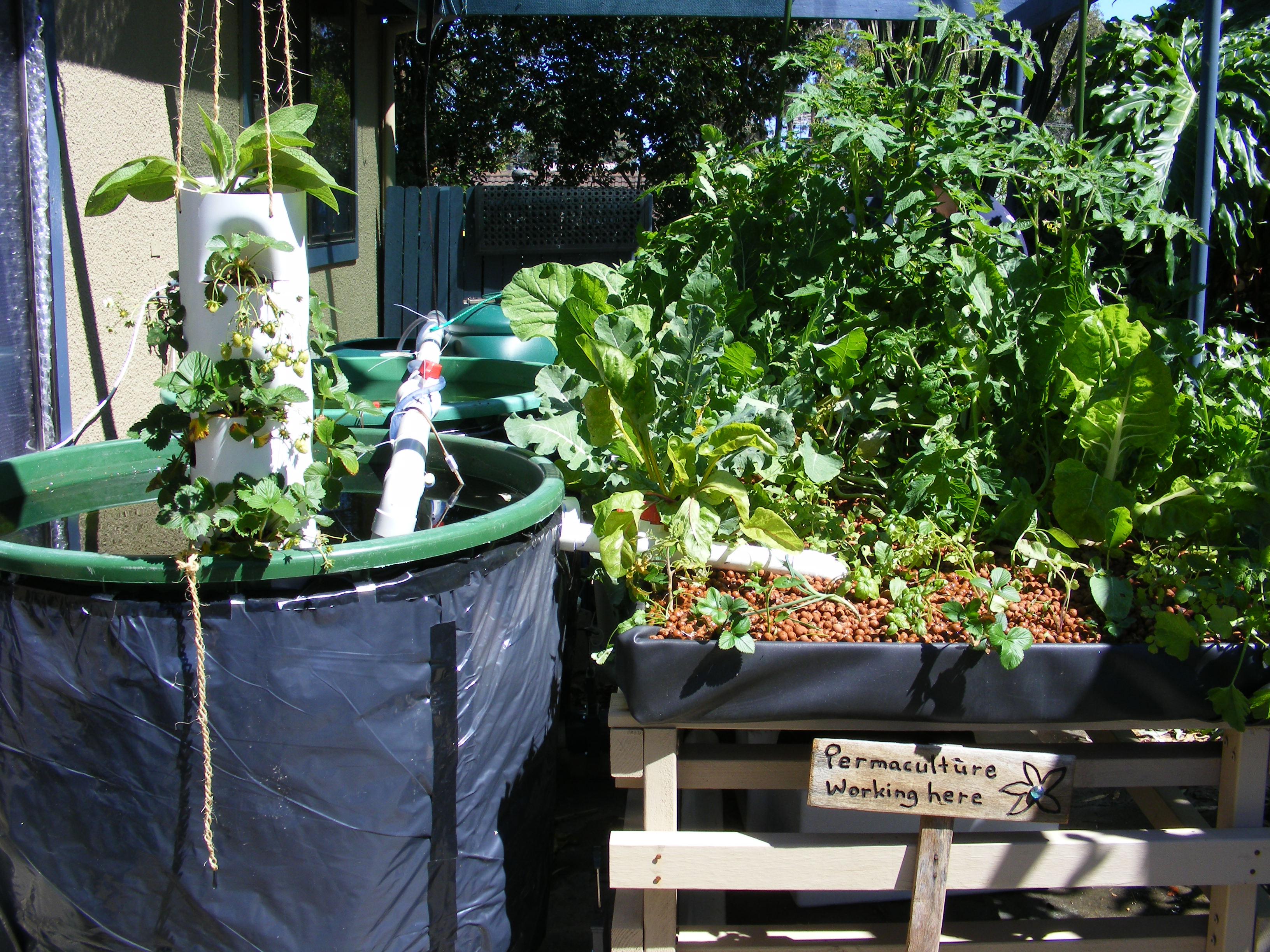
Your rental courtyard system.
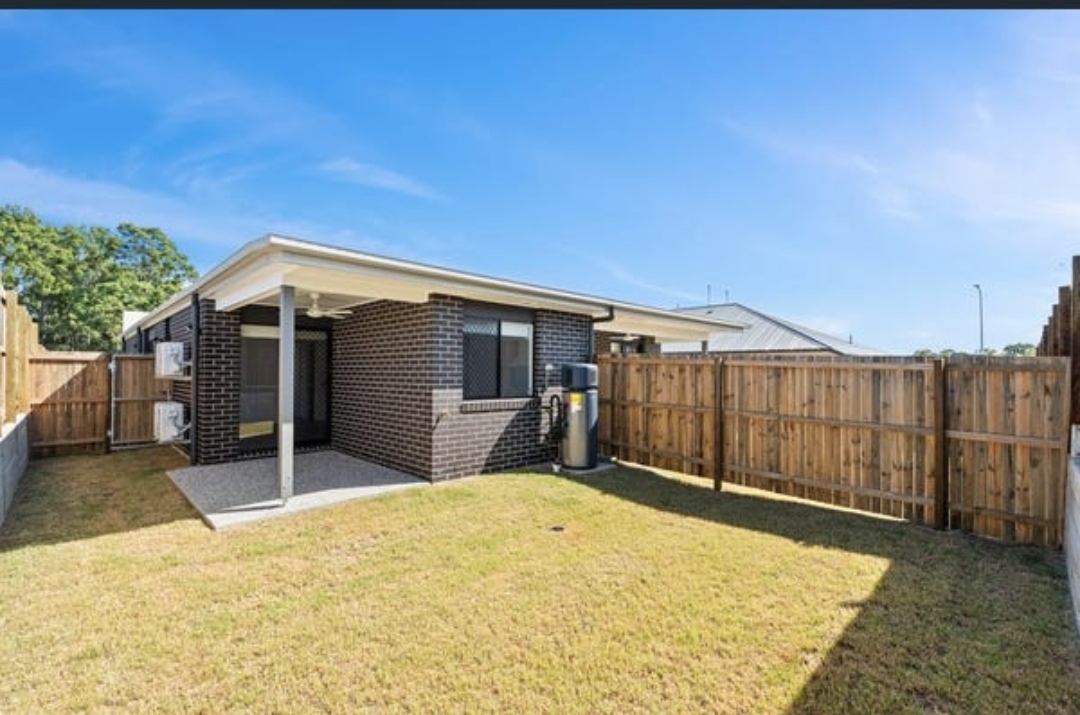
Growing Fresh Food While Renting Isn't Always Easy
For many renters, the biggest obstacle isn't enthusiasm.
It's the property itself.
Some homes have tiny courtyards instead of backyards.
Others have concrete patios, paved entertaining areas or small strips of grass that landlords understandably want protected.
Traditional vegetable gardens often involve digging soil, building raised beds or permanently changing the landscape.
For someone renting, that can create unnecessary expense, extra work and concern about getting the bond back.
For many people, renting feels like putting the dream of growing food on hold.
Fortunately, there is another way.
Why Aquaponics Is Perfect for Renters
Unlike traditional vegetable gardens, aquaponics doesn't rely on improving the soil beneath your feet.
The entire growing system is self-contained.
It can sit on existing concrete, pavers or patios without digging a single hole.
That means you can enjoy growing food while leaving the property almost exactly as you found it.
When it's time to move, your vegetables don't have to stay behind.
Neither does your investment.
The system simply comes with you.
Yes, You Can Grow Real Food
Many people imagine aquaponics is only good for growing lettuce and herbs.
That simply hasn't been my experience.
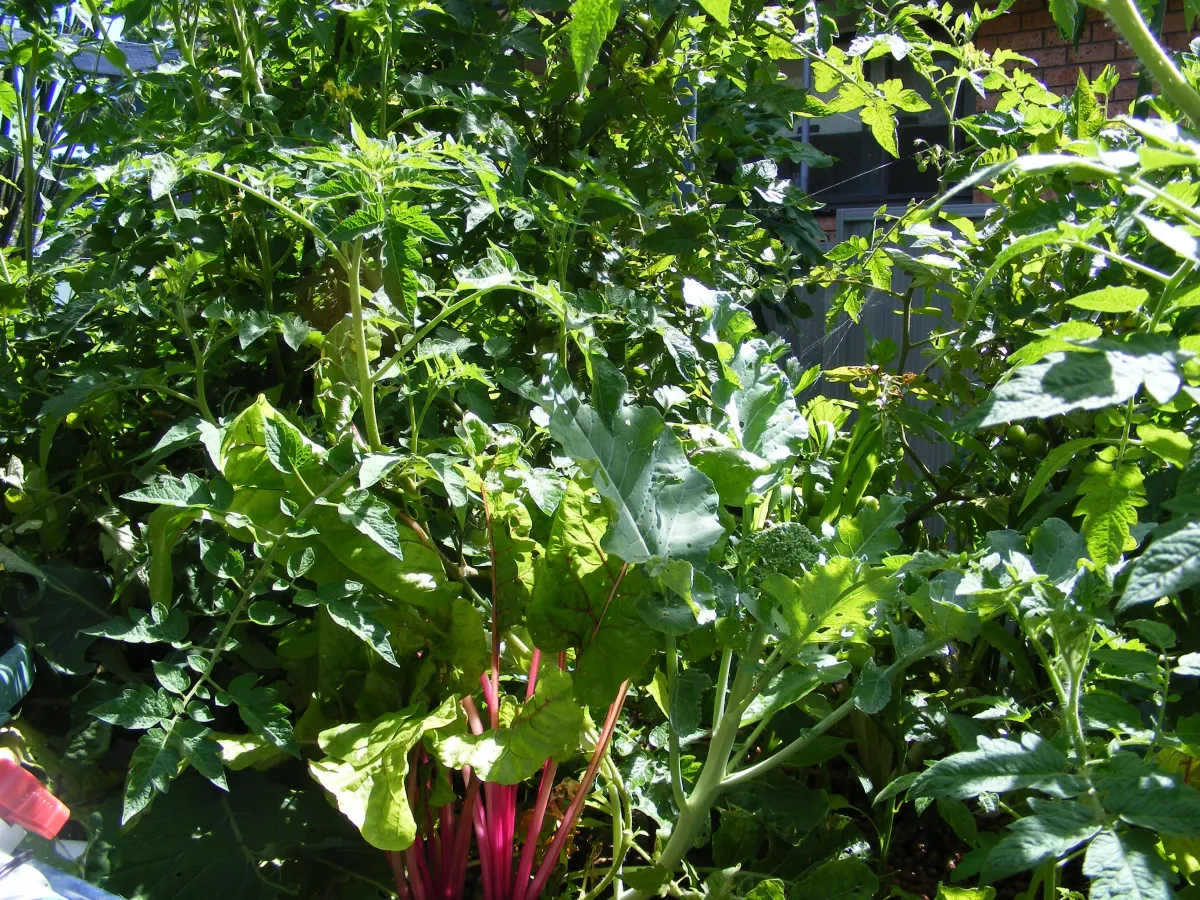
Over the years I've harvested broccoli, tomatoes, capsicums, cucumbers, zucchini, strawberries, beans and many other seasonal vegetables from compact backyard systems.
These aren't novelty plants.
They're the ingredients for everyday family meals
Build It So You Can Move It
One of the advantages of designing your own aquaponics system is that you can also design it for moving day.
Every aquaponics system I built while renting was planned with relocation in mind.
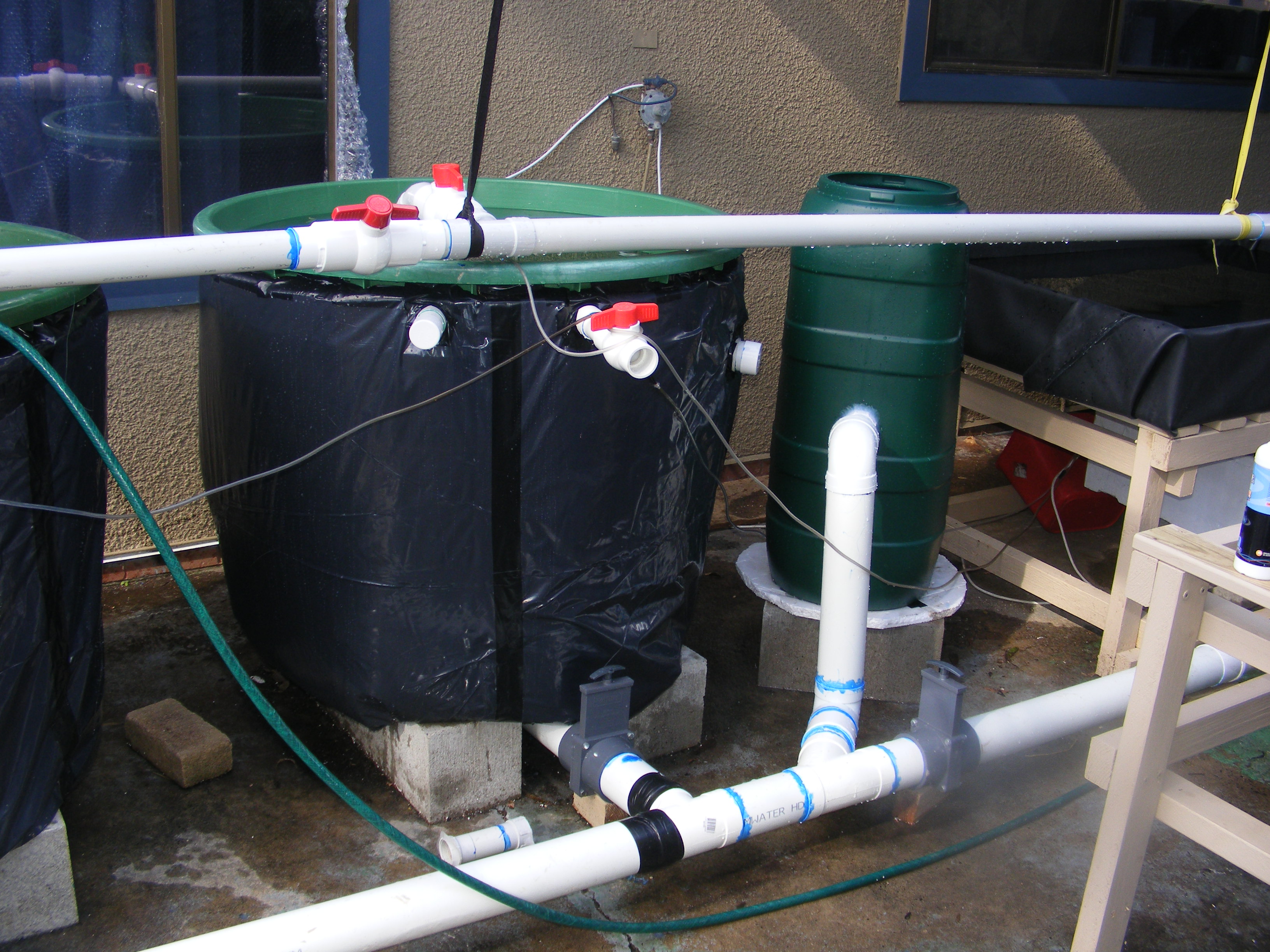
Rather than permanently gluing every pipe together, I installed valves and rubber couplings in key locations.
Those simple additions meant individual sections of the plumbing could be disconnected whenever maintenance or moving was required.
Fish tanks, grow beds and filters became separate components that could be transported individually before being reassembled at the next home.
Planning ahead made moving far less stressful than many people imagine.
From My 20 Years of Practical Aquaponics
I've moved three backyard aquaponics systems interstate.
Every move reinforced the same lesson.
If you think about moving before you build, relocating your system becomes surprisingly straightforward.
Designing with flexibility from the beginning saves countless hours later.
Twenty years of building, testing and refining simple backyard aquaponics systems.
The Heaviest Part Isn't the Fish Tank
Most people assume the fish tank is the hardest part of moving an aquaponics system.
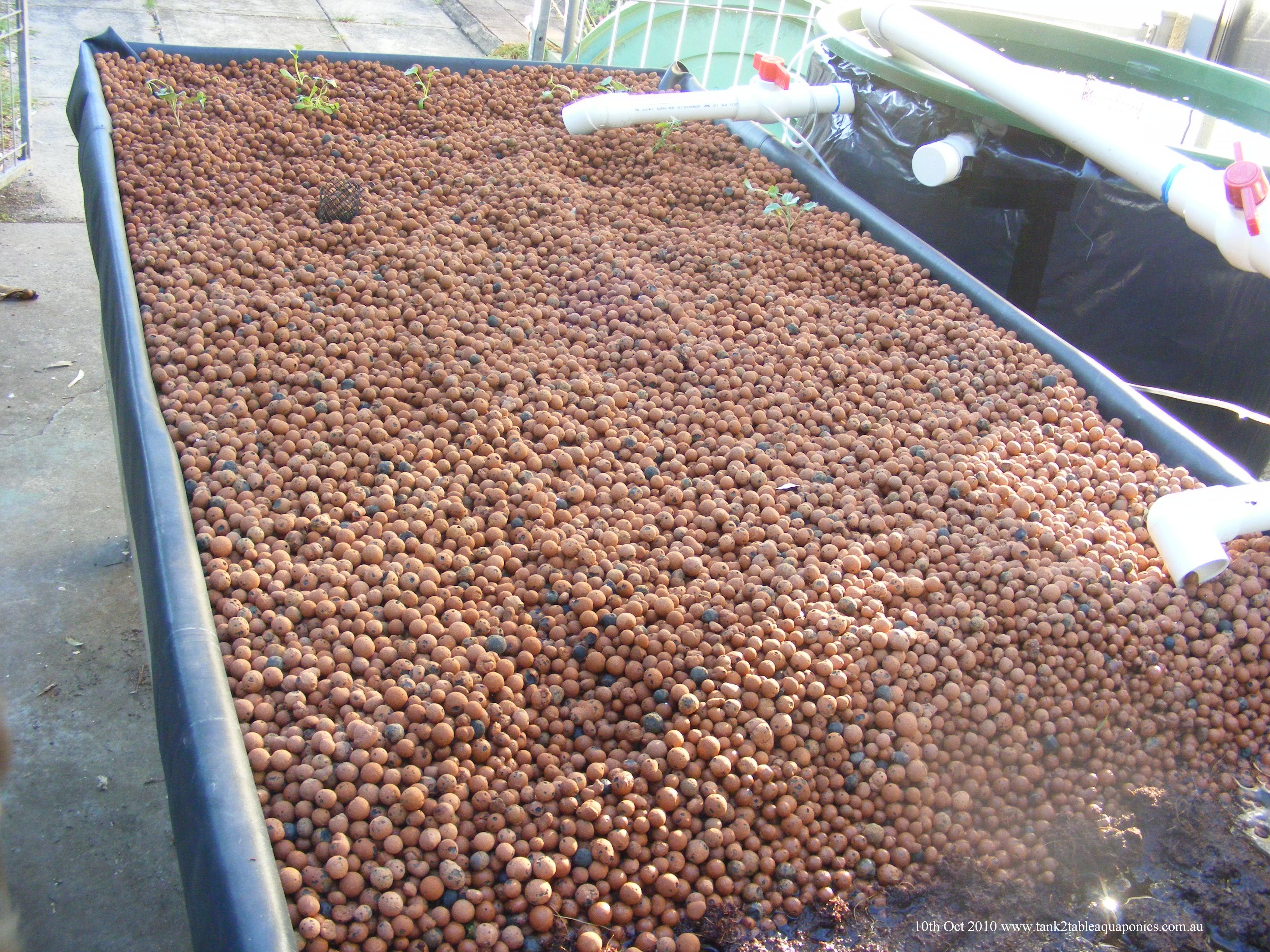
In reality, it's usually the growing media.
Expanded clay and gravel become extremely heavy once saturated with water.
Before each interstate move, I emptied the growing media into polystyrene boxes with drainage holes cut into the sides and bottom.
The holes allowed excess water to drain away while keeping the bacteria alive by maintaining moisture around the media.
The boxes were lightweight, strong, easy to stack and made rebuilding the system much simpler at the new property.
Sometimes the smallest ideas make the biggest difference.
Protect the Property, Protect Your Bond
Being a renter simply means planning a little differently.
Choose existing hard surfaces wherever possible.
If possible, leave enough room to comfortably walk around the system and access taps, drains and outdoor areas without moving equipment.
Keep drainage under control.
Avoid fixing plumbing to fences or walls.
Design your system so every component can be removed cleanly.
At the end of your lease, your landlord should see the same backyard they rented to you—while you take your aquaponics system, your experience and your confidence to your next home.
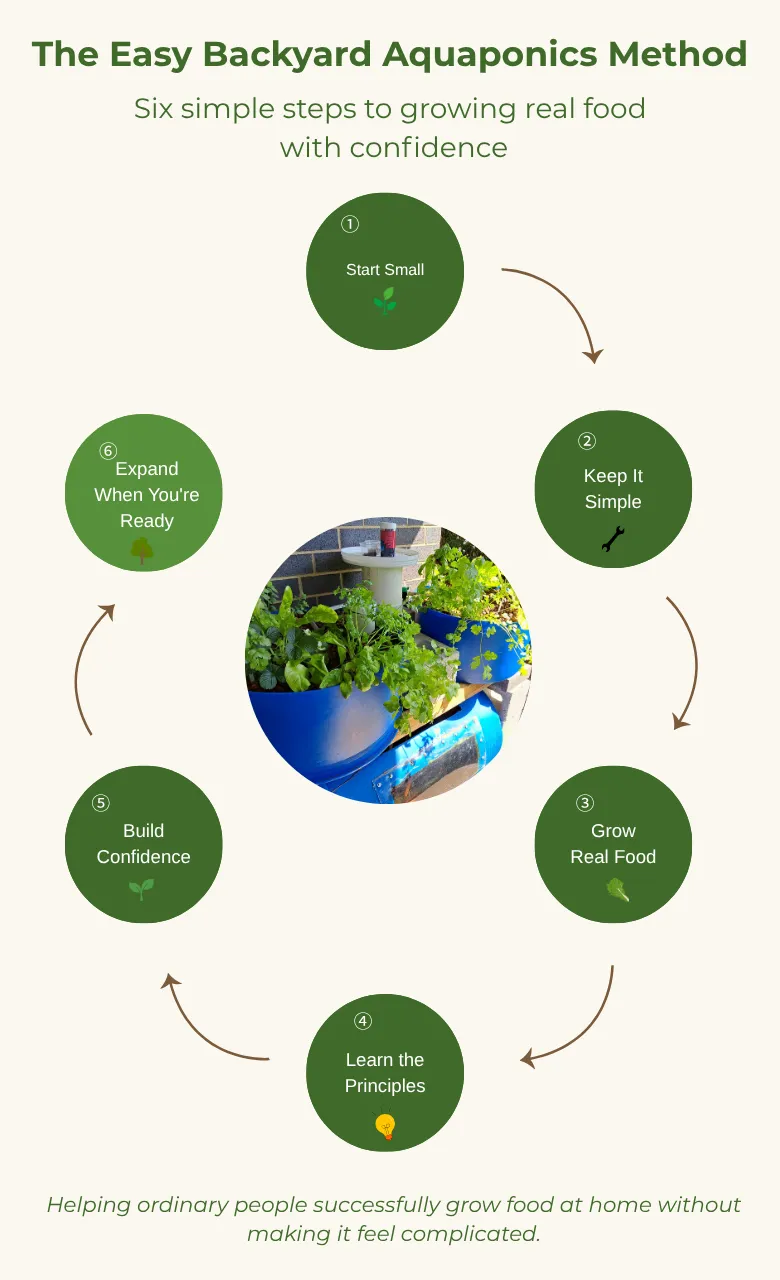
The Easy Backyard Aquaponics Method
1. Start Small
Build a system that suits your available space, budget and confidence.
2. Keep It Simple
Choose reliable designs and affordable materials rather than unnecessary complexity.
3. Grow Real Food
Focus on producing vegetables and herbs your household will actually enjoy eating.
4. Learn the Principles
Understand why the system works instead of simply copying someone else's design.
5. Build Confidence
Allow each season and each harvest to increase your knowledge.
6. Expand When You Are Ready
Once you've mastered the fundamentals, the same principles apply whether your next system is 500 litres or 5,000 litres.
Where to Go Next
If you're ready to grow fresh food in a rental property, these guides are the perfect next step.
Courtyard Aquaponics System
The system I recommend for renters, patios and compact backyards.
Aquaponics for Small Spaces
See how productive a compact aquaponics system can be.
Aquaponics Basics
Understand the ecosystem that makes every aquaponics system work.
Ready to Grow Fresh Food in Your Rental?
You don't need to own your home to grow fresh food.
You don't need perfect soil.
And you don't need to wait until someday.
With thoughtful planning and a well-designed aquaponics system, a concrete patio or small courtyard can become a productive kitchen garden filled with vegetables, herbs and healthy fish.
When life takes you somewhere new, your aquaponics system can go with you.
Because home isn't where you own the land.
It's where you choose to grow.
Copyright 2026 | Easy Backyard Aquaponics | All Rights Reserved Email: [email protected] Queensland, Australia