Aquaponics Basics
Aquaponics is one of the most rewarding ways to grow fresh food at home. By combining fish, plants and beneficial bacteria in one balanced system, it's possible to grow vegetables, herbs and other crops while using far less water than traditional gardening.
Whether you're planning your first backyard system or simply want to understand how aquaponics works, this guide will walk you through the essential principles without overwhelming you with technical jargon. By understanding the basics first, you'll find it much easier to build a successful system later.
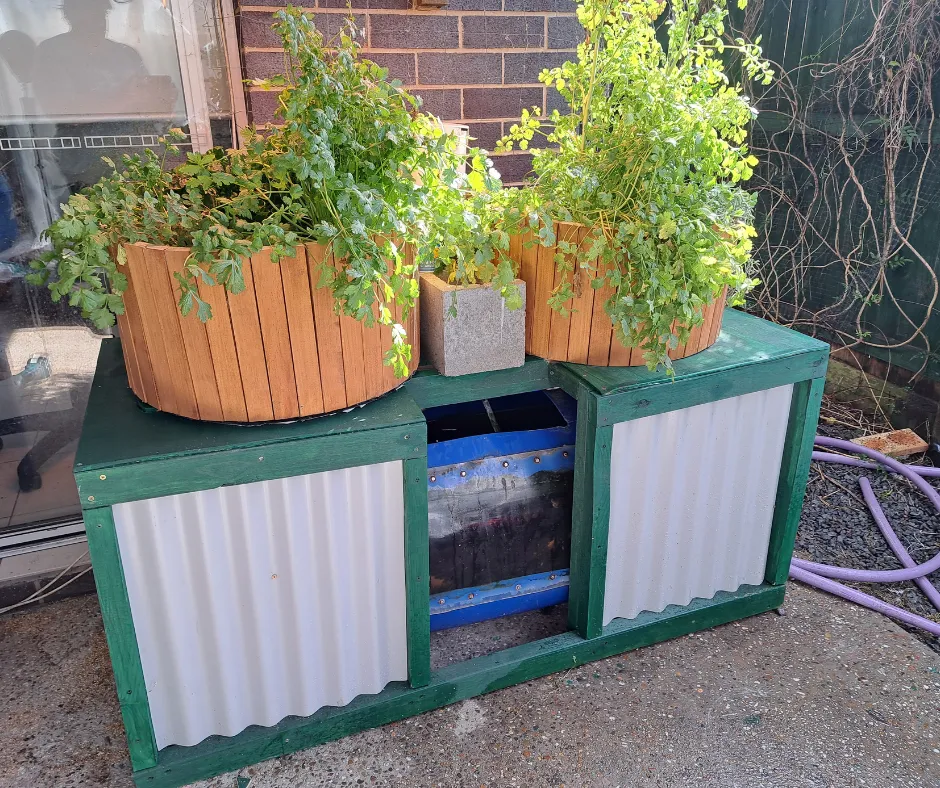
What is Backyard Aquaponics?
Aquaponics is a method of growing plants and raising fish together in one recirculating ecosystem.
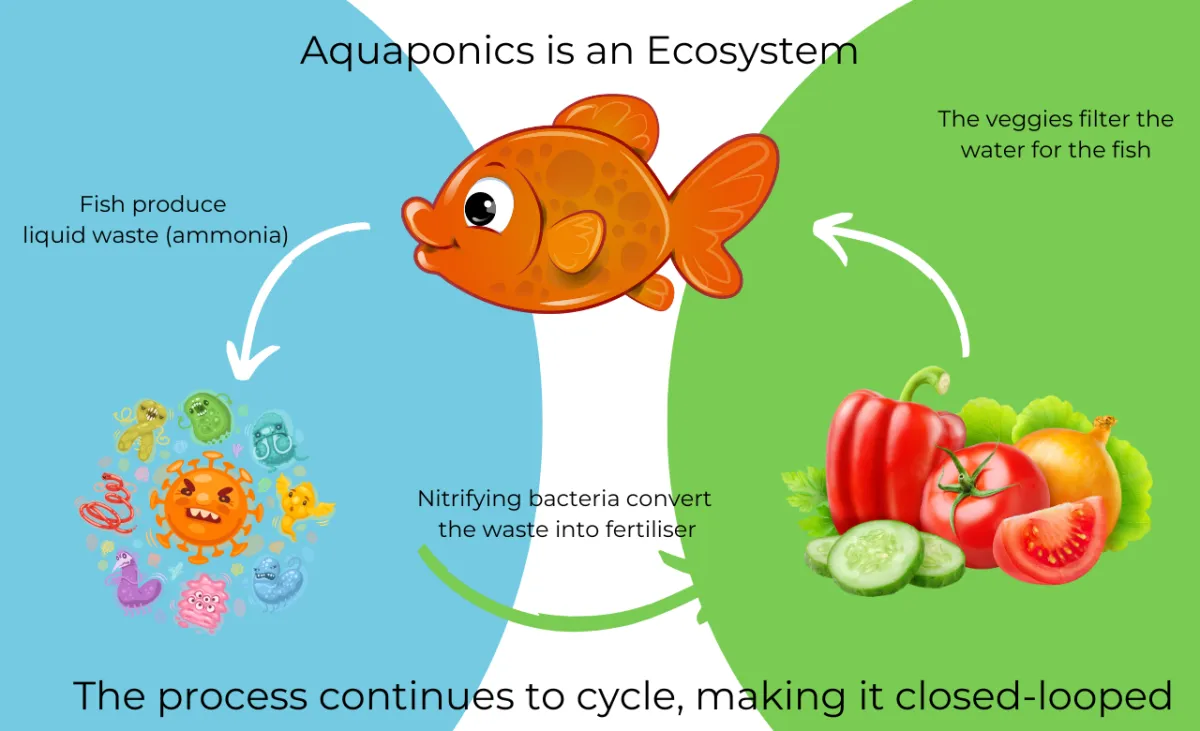
Instead of feeding plants with fertilisers, nutrients come naturally from the fish. Beneficial bacteria convert fish waste into nutrients that plants can absorb, while the plants help clean the water before it returns to the fish tank.
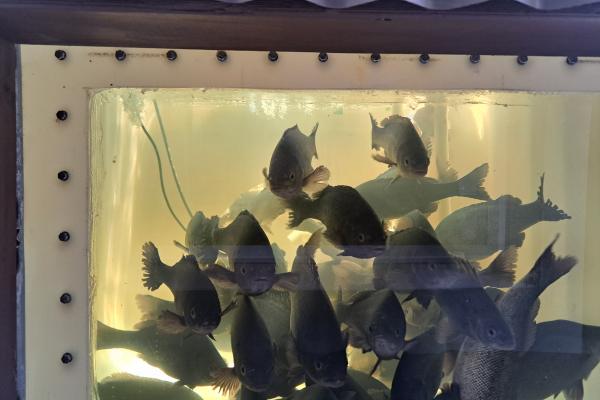
Each part of the system supports the others.
The fish provide nutrients.
The bacteria convert those nutrients.
The plants remove them from the water.
The cleaned water returns to the fish.
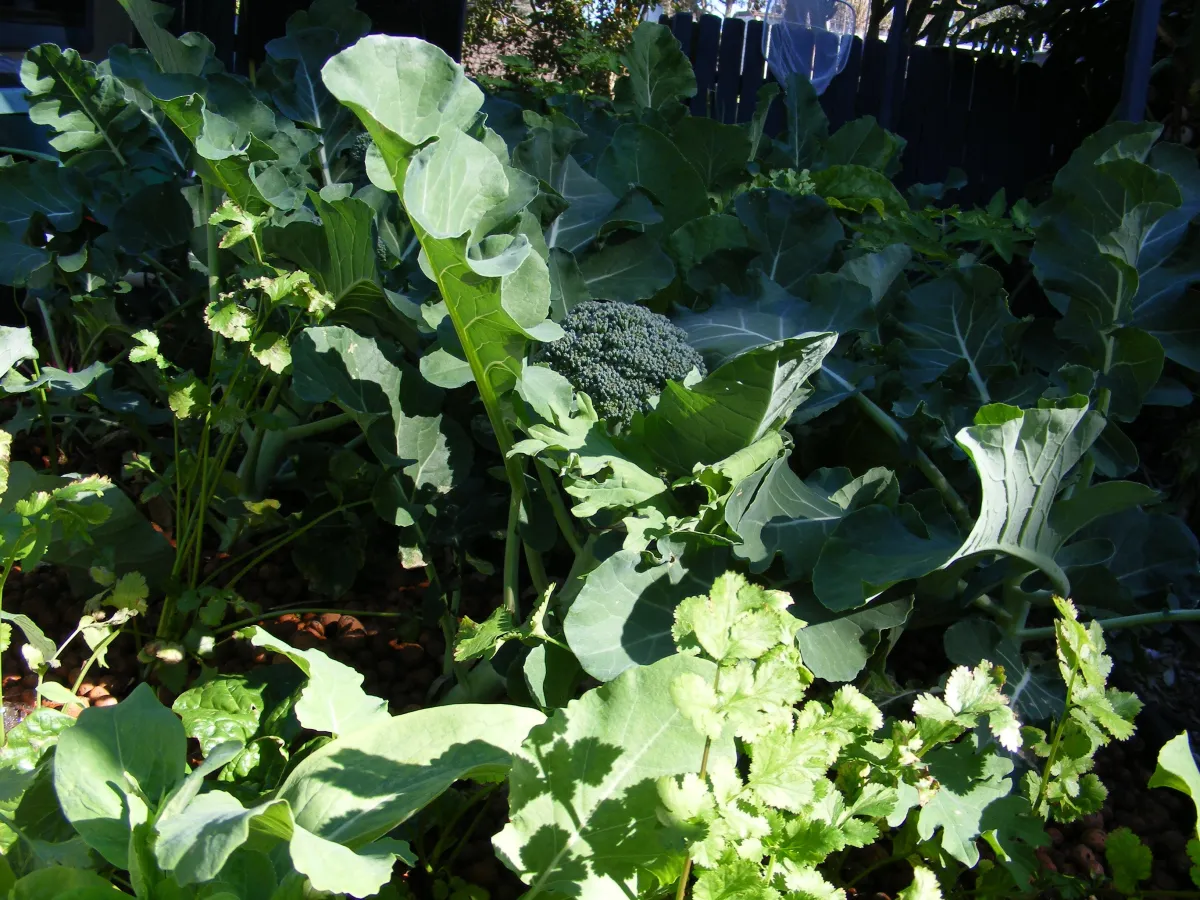
Once this natural cycle becomes established, the system works together as a balanced ecosystem.
This simple relationship is what makes aquaponics different from traditional vegetable gardening, hydroponics and aquaculture.
Why do people choose aquaponics?
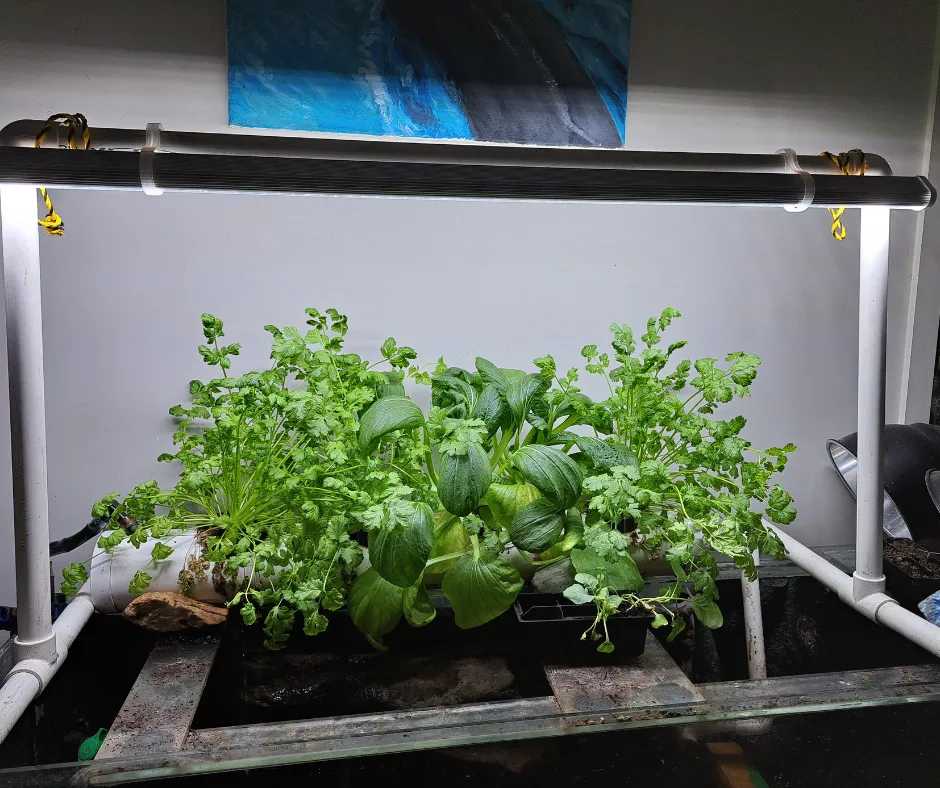
People choose backyard aquaponics for many different reasons.
Some want to grow fresh vegetables close to home.
Some enjoy keeping fish.
Others like producing food using less water than traditional gardens.
Many simply enjoy learning a practical skill that combines gardening, biology and DIY into one rewarding hobby.
For many families, aquaponics becomes much more than a gardening project. It becomes an enjoyable way to learn where food comes from while harvesting fresh herbs and vegetables just a few steps from the kitchen.
How Does Aquaponics Work?
Although aquaponics may look complicated from the outside, the basic process is surprisingly simple.
A pump moves water from the fish tank into the grow beds.
As the water passes through the grow beds, beneficial bacteria convert fish waste into nutrients that plants can absorb through their roots.
The plants remove those nutrients while naturally filtering the water.
The cleaned water then flows back into the fish tank where the cycle begins again.
This process continues throughout the day, creating a healthy environment for both fish and plants.
The goal isn't to constantly adjust the system.
The goal is to create a balanced ecosystem that largely looks after itself.
The Four Parts of Every Aquaponics System
Fish
Fish provide the natural nutrients that feed the entire system.
Beneficial Bacteria
These naturally occurring bacteria convert fish waste into plant nutrients.
Without them, aquaponics cannot function.
Plants
Plants absorb nutrients from the water while helping keep it clean for the fish.
Water Circulation
A small water pump continuously moves water through the system, keeping oxygen and nutrients available for both fish and plants.
From My 20 Years of Practical Aquaponics
One of the biggest misconceptions about aquaponics is that it's highly technical. In reality, most successful systems rely on understanding a few simple principles and allowing nature to do the hard work. Once you understand how fish, bacteria and plants support each other, aquaponics becomes much easier to manage than many people expect.
Twenty years of building, testing and refining simple backyard aquaponics systems.
Why Starting Small is the Smartest Way to Learn Aquaponics
One of the biggest misconceptions about aquaponics is that you need a large system to grow useful amounts of food.
You don't.
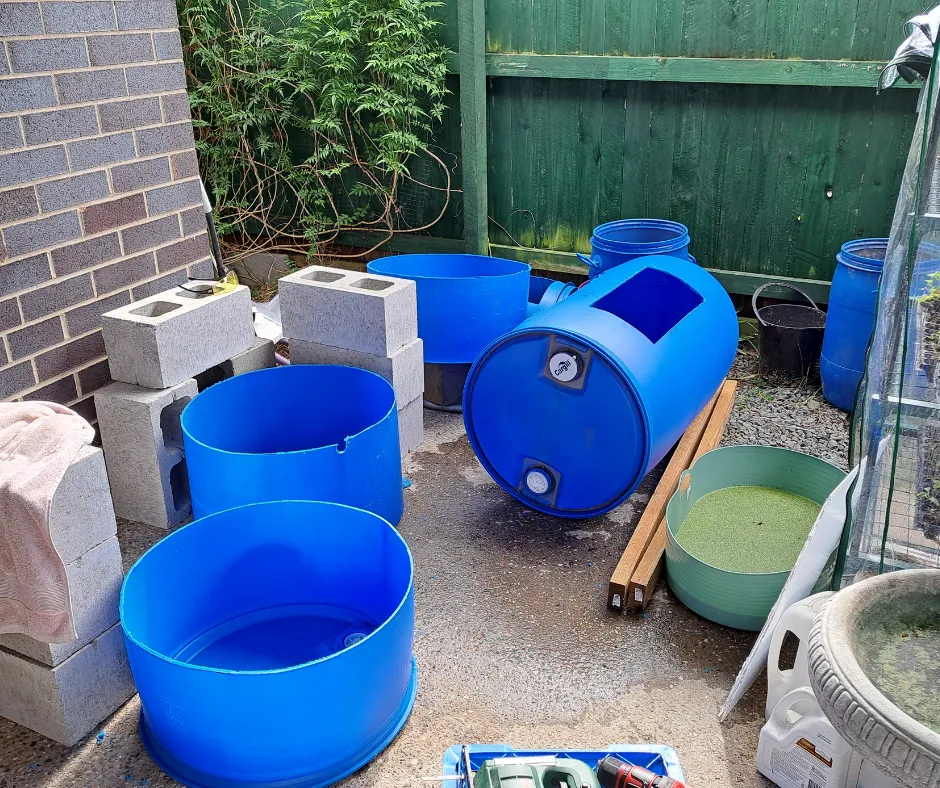
In fact, starting with a smaller system is often the fastest and least expensive way to learn. A well-designed backyard aquaponics system teaches exactly the same principles as a much larger installation. You'll still learn how to manage water quality, care for fish, grow healthy plants and keep the system balanced.
The difference is that smaller systems are easier to build, easier to understand and much less intimidating for someone building their first aquaponics system.
Learning these core skills first gives you the confidence to expand later if you choose.
Why I Teach Small Systems First
Instead of encouraging people to build the biggest system they can afford, Easy Backyard Aquaponics focuses on systems that are practical for ordinary homes.
Most people don't need thousands of litres of water, expensive materials or weeks of construction before they can enjoy growing food.
Starting with a simple backyard system means you can begin learning sooner, spend less money and gain practical experience before deciding whether you even want a larger system.
The principles never change.
Only the size does.
From My 20 Years of Practical Aquaponics
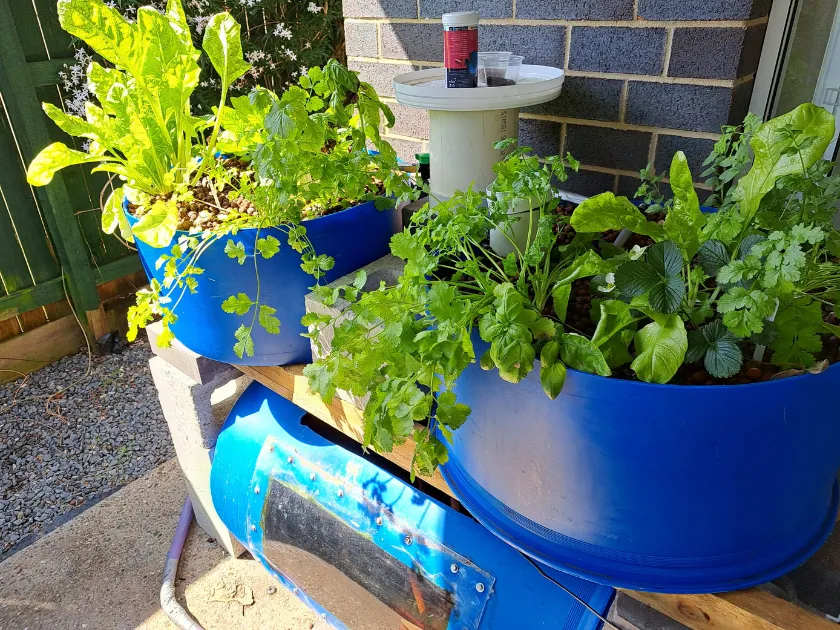
Over the years I've helped people build everything from small educational systems through to much larger backyard setups. The people who enjoy aquaponics the most usually aren't the ones who started with the biggest system—they're the ones who understood the basics first. A smaller system lets you make mistakes, learn quickly and build confidence before investing more time and money
Twenty years of building, testing and refining simple backyard aquaponics systems.
What Can You Grow in a Backyard Aquaponics System?
One of the first questions people ask is whether aquaponics can produce enough food to be worthwhile.
The answer is yes.
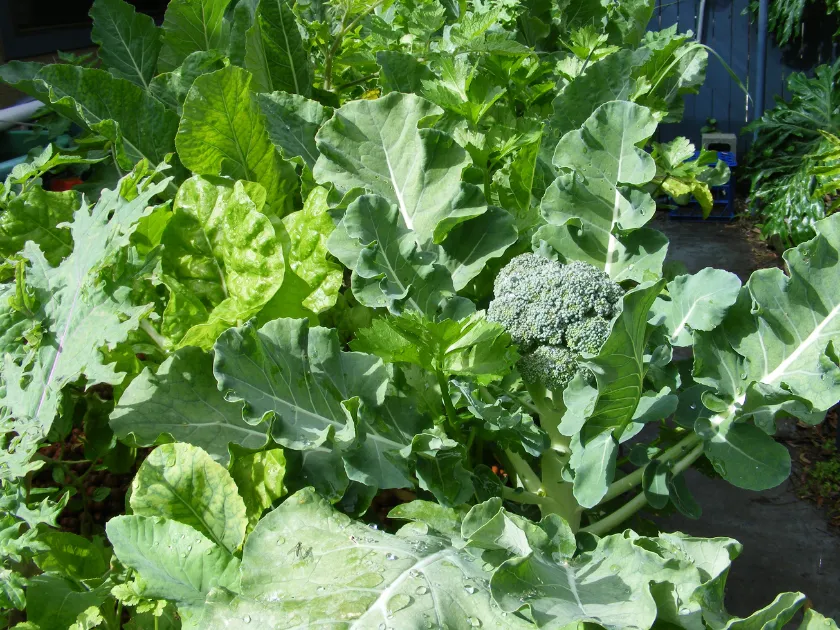
A healthy backyard aquaponics system can produce a surprising amount of fresh food throughout the year. Exactly what you grow will depend on your climate, the season and the size of your system, but many common vegetables and herbs thrive in aquaponics.
One of the biggest advantages is that you're growing food just a few steps from your kitchen. Instead of harvesting an entire crop at once, many plants can be picked as you need them, providing fresh ingredients for everyday meals.
Vegetables That Grow Well
Zucchini
Corn
Cauliflower
Broccoli
Eggplant
Capsicums
Chillies
Beans
Cucumbers
Tomatoes
Spring Onions
Spinach
Silverbeet
Asian greens
Lettuce

Herbs That Thrive in Aquaponics
Parsley
Basil
Coriander
Chives
Thyme
Oregano
Fruit You Can Grow
Many people are surprised to learn that fruit can also be grown successfully.
Depending on your climate and system design, strawberries, dwarf passionfruit, some melons and other fruiting plants can all perform well in backyard aquaponics systems.
The secret isn't choosing unusual plants.
It's creating a healthy, balanced system that consistently provides plants with the water, oxygen and nutrients they need.
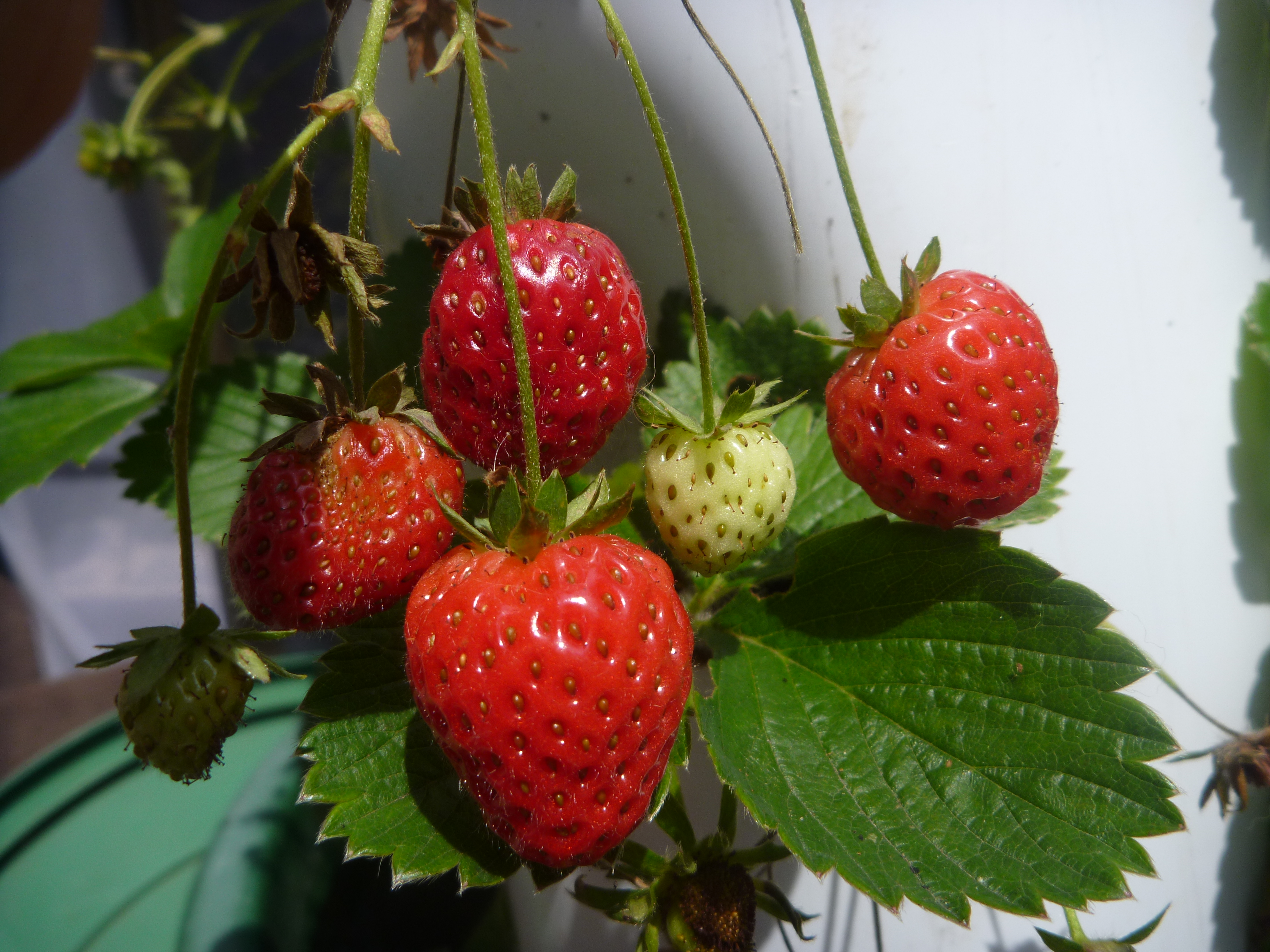
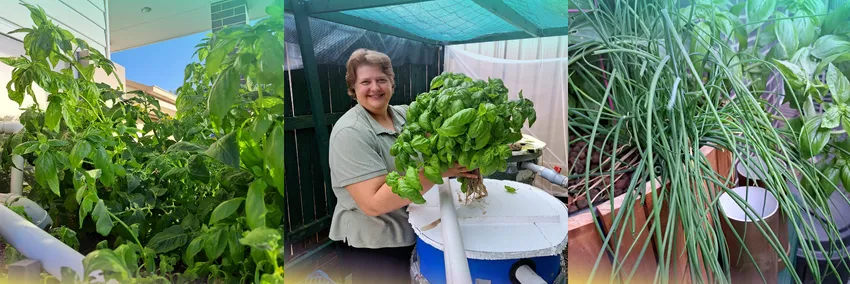
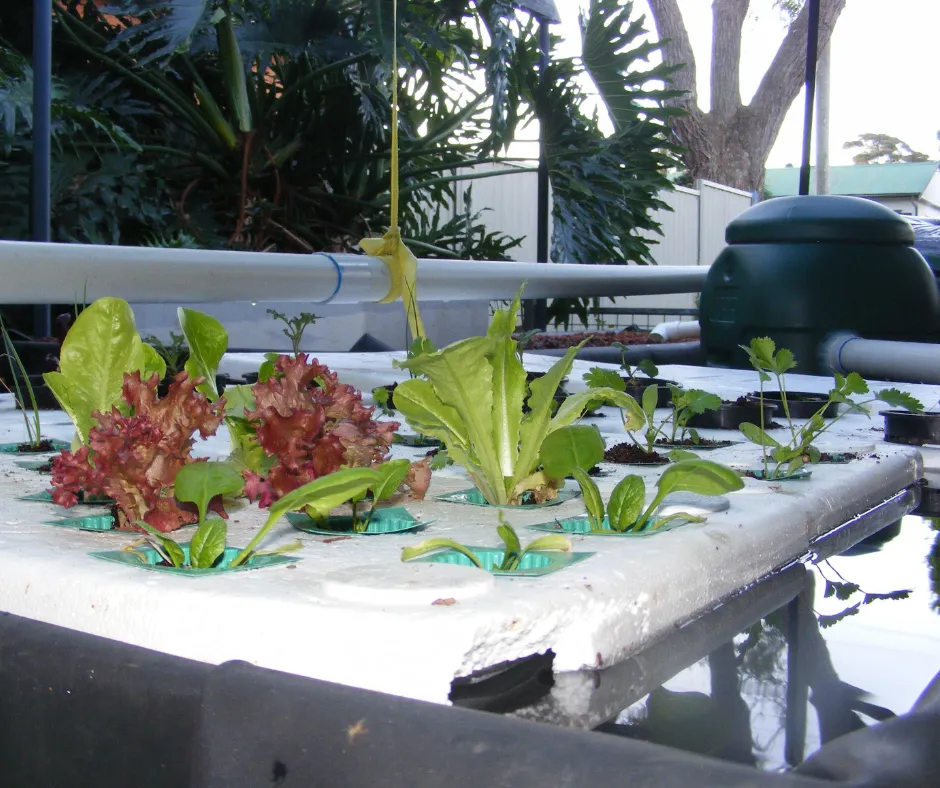
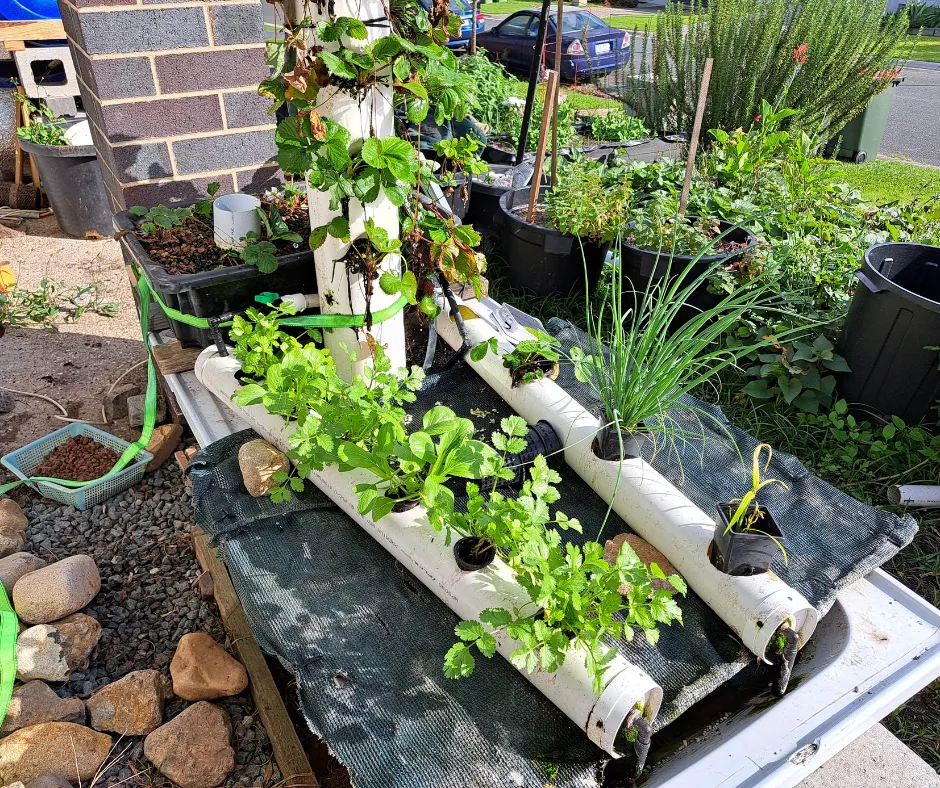
These vegetables were grown in simple backyard aquaponics systems using the same principles taught throughout Easy Backyard Aquaponics.
Can Aquaponics Grow Enough Food for a Family?

A small backyard aquaponics system isn't designed to replace your weekly grocery shopping, but it can make a meaningful contribution to the fresh food your household enjoys.
Many families use aquaponics to grow salad vegetables, herbs, leafy greens and seasonal crops that are harvested regularly.
As your confidence grows, additional grow beds or extra systems can gradually increase production without changing the principles you've already learned.
That's one of the reasons Easy Backyard Aquaponics focuses on learning first.
Once you understand how the system works, expanding becomes much easier.
What Fish Can You Keep in Backyard Aquaponics?
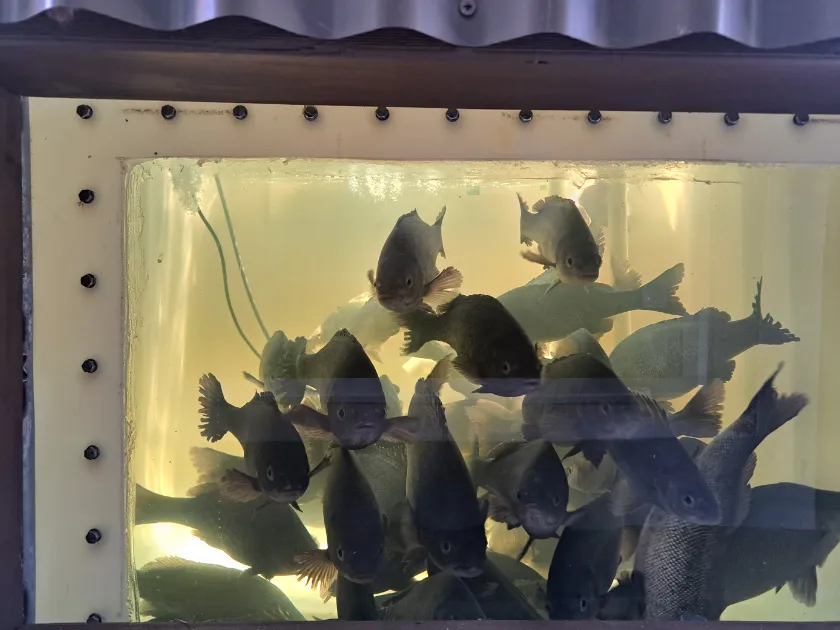
Choosing the right fish depends on where you live, your local climate and your state regulations. The good news is that you don't need dozens of species to build a successful backyard aquaponics system.
Backyard aquaponics systems around the world are built around hardy, easy-to-care-for fish that provide the nutrients plants need to thrive.
The best fish for your system will depend on whether your goal is growing food, keeping ornamental fish or simply learning how aquaponics works.
Popular Fish Species for Backyard Aquaponics
The best fish for your aquaponics system depends on your local climate, water temperatures and the species available where you live.
Cool & Temperate Climate Fish
Rainbow Trout
Rainbow trout perform well during the cooler months in southern Australia. Because they prefer cooler water, many backyard growers raise trout during winter before changing species as temperatures increase.
Silver Perch
Silver perch are one of the most popular aquaponics fish in Australia. They tolerate a wide range of water conditions, grow well in backyard systems and are an excellent choice for people building their first food-producing system.
Bluegill
Bluegill are a good choice for smaller backyard aquaponics systems in cooler and temperate climates. They are hardy, easy to care for and well suited to people learning the basics of aquaponics.
Catfish
Catfish are hardy, adaptable fish that perform well in many backyard aquaponics systems. They tolerate varying water conditions and are a popular food fish in many parts of the world.
Warm Climate Fish
Tilapia
Tilapia are one of the most popular aquaponics fish worldwide. They grow quickly, tolerate a wide range of water conditions and are well suited to warmer climates where they are legal to keep.
Jade Perch
Jade perch grow quickly in warmer climates and are well suited to many parts of Queensland and northern Australia. They are known for their fast growth and excellent eating quality
Barramundi
Barramundi are a favourite in warmer climates. They grow quickly but require consistently warm water, making them better suited to tropical and subtropical regions or heated systems
Goldfish - Most Climates
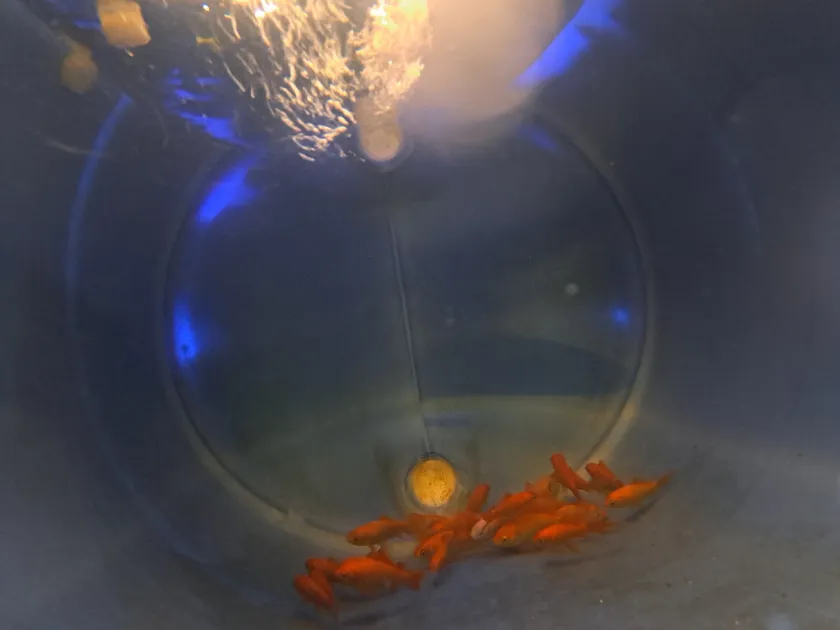
Goldfish are an excellent option for people who simply want to learn aquaponics without growing fish for food. They are hardy, widely available and ideal for educational or display systems.
No matter which species you choose, healthy fish come from stable water quality, good filtration and appropriate feeding rather than expensive equipment
Is Aquaponics Difficult?
One of the reasons many people never start aquaponics is because it looks complicated.
Search online and you'll quickly find discussions about water chemistry, filtration design, bacteria, plumbing, pumps, fish species and dozens of technical terms.
While all of these topics are important, you don't need to understand everything before building your first system.
Like learning to drive a car, you don't begin by studying every mechanical component. You learn the basics first, gain confidence through experience and build your knowledge over time.
Aquaponics is no different.
A simple system built correctly teaches far more than months spent reading complicated diagrams and forum discussions.
Keep It Simple
The goal isn't to build the biggest system.
The goal isn't to own the most expensive equipment.
The goal isn't to create the perfect design on your first attempt.
The goal is to successfully grow healthy plants, keep healthy fish and enjoy the learning process.
When those three things happen, confidence grows naturally.
From My 20 Years of Practical Aquaponics
I've seen people spend months researching before building anything because they were worried about making mistakes. The reality is that almost everyone learns more during the first month of running a small system than they do from months of reading. Experience is one of the best teachers, especially when you start with a system that's simple to understand and easy to manage.
Twenty years of building, testing and refining simple backyard aquaponics systems.
The Easy Backyard Aquaponics Method
Everything on this website is built around one simple idea:
Helping ordinary people successfully grow food at home without making it feel complicated.
That philosophy shapes every guide, every course and every system I teach.
Rather than encouraging people to build large, expensive systems from the beginning, I focus on helping you understand the principles that make aquaponics work.
Once you understand those principles, you can confidently adapt them to systems of almost any size.
The Easy Backyard Aquaponics Method
1. Start Small
Build a system that suits your available space, budget and confidence.
2. Keep It Simple
Choose reliable designs and affordable materials rather than unnecessary complexity.
3. Grow Real Food
Focus on producing vegetables and herbs your household will actually enjoy eating.
4. Learn the Principles
Understand why the system works instead of simply copying someone else's design.
5. Build Confidence
Allow each season and each harvest to increase your knowledge.
6. Expand When You Are Ready
Once you've mastered the fundamentals, the same principles apply whether your next system is 500 litres or 5,000 litres.
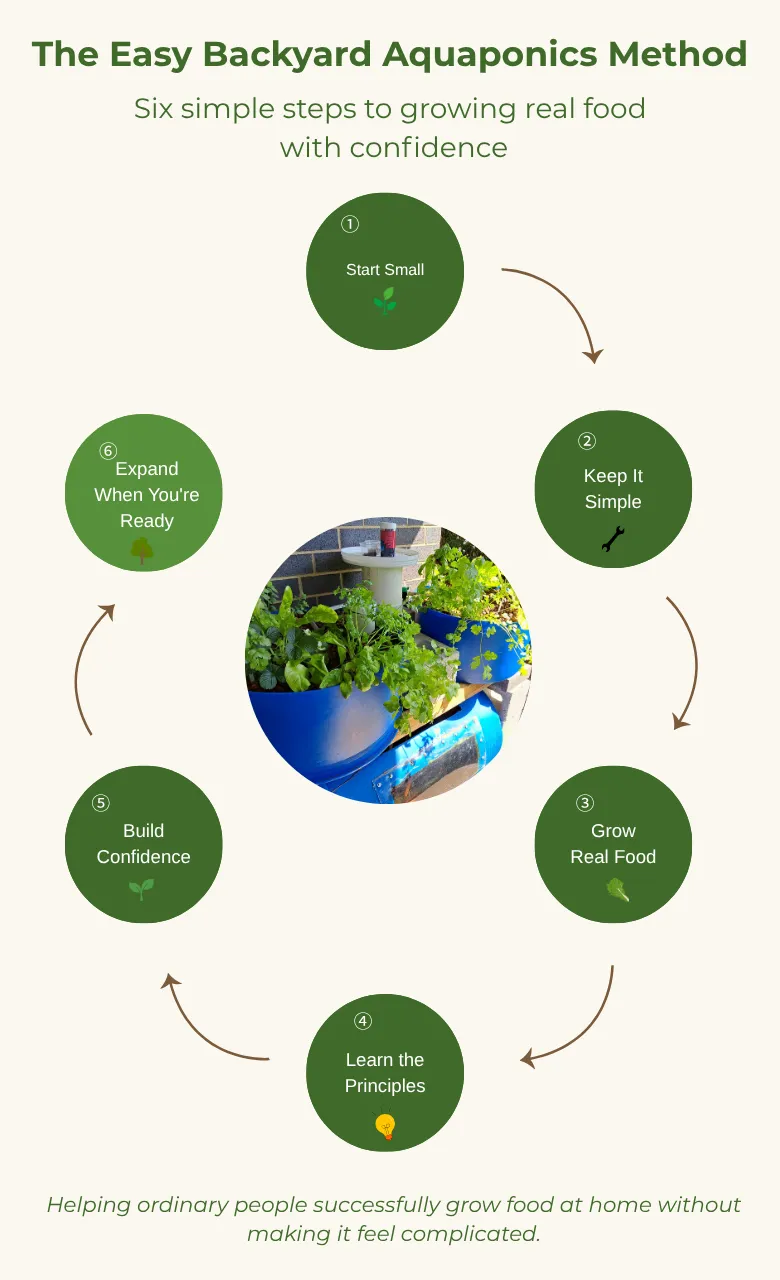
After twenty years of building and teaching aquaponics, I discovered that beginners succeed when they follow a simple path rather than trying to learn everything at once.
The Easy Backyard Aquaponics Method is the approach I use throughout this website and my courses. Each step builds naturally on the one before it, helping you develop the skills and confidence to grow healthy fish, productive plants and eventually larger systems if you choose.
Where to Go Next
Now that you understand the fundamentals of backyard aquaponics, the next step is choosing the information that's most relevant to your situation.
Whether you're working with a small courtyard, renting your home or looking for a simple first system, the following guides will help you move forward.
Aquaponics for Small Spaces
Learn how to build productive aquaponics systems in courtyards, patios and compact backyards.
Aquaponics for Renters
Discover practical systems that are affordable, portable and designed to move with you if you change homes.
Easy Aquaponics Systems
Compare simple system designs and learn which option is best for your available space and budget.
Ready to Build Your First Backyard Aquaponics System?
If you're ready to move beyond the basics, my step-by-step courses will guide you through building practical backyard aquaponics systems using affordable materials and methods refined over twenty years of hands-on experience.
Whether you're working with a courtyard, a small backyard or a rental property, you'll learn how to build a productive system while avoiding many of the common mistakes that discourage new growers.
Copyright 2026 | Easy Backyard Aquaponics | All Rights Reserved Email: [email protected] Queensland, Australia