Aquaponics for Small Spaces
By the end of this page, you'll know how to grow real food with aquaponics in a courtyard, patio or small backyard.
You don't need a large backyard to enjoy aquaponics.
Some of the most productive systems I've built have occupied little more space than a small patio or courtyard.
Whether you have a townhouse, a compact suburban backyard or a paved entertaining area, a well-designed aquaponics system can still grow an impressive amount of fresh vegetables and herbs.
The key isn't having more space.
It's making better use of the space you already have.
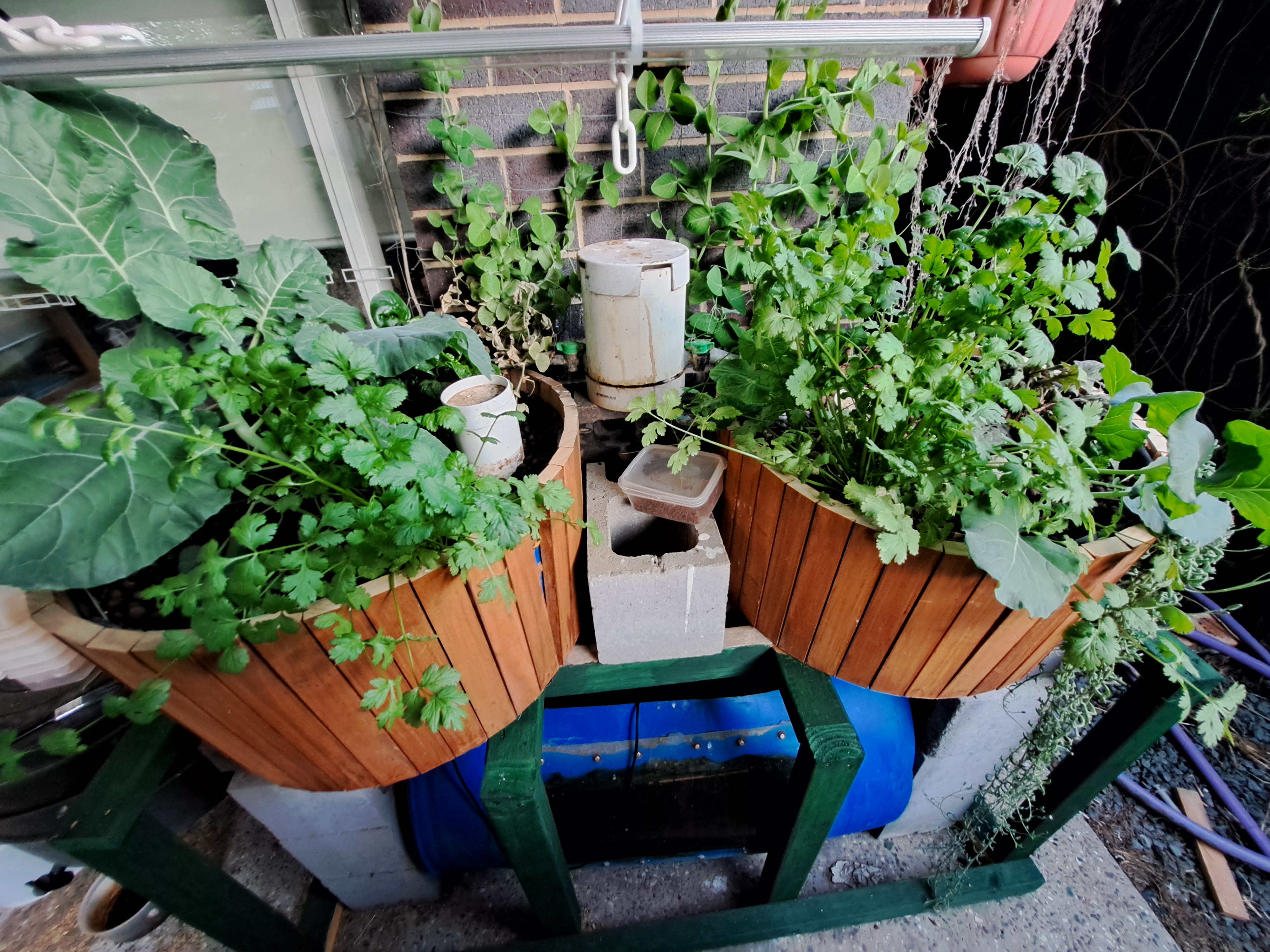
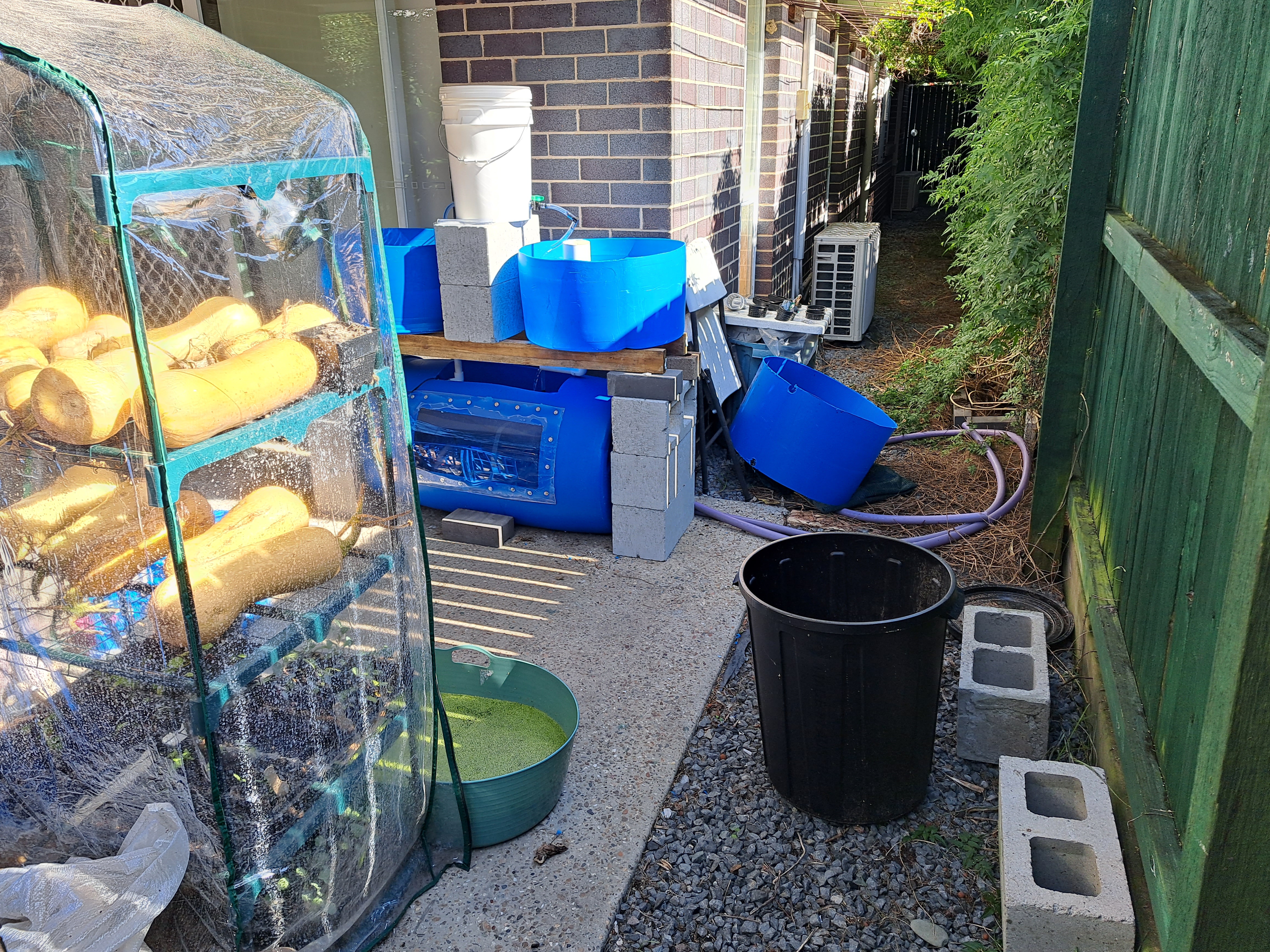
Why Small Spaces Are Perfect for Aquaponics
Many people assume aquaponics only works on large rural properties or spacious suburban backyards.
In reality, aquaponics is often better suited to smaller spaces than traditional vegetable gardens.
Because plants grow intensively in compact grow beds, you can harvest a surprising amount of fresh food without needing long rows of soil or large garden beds.
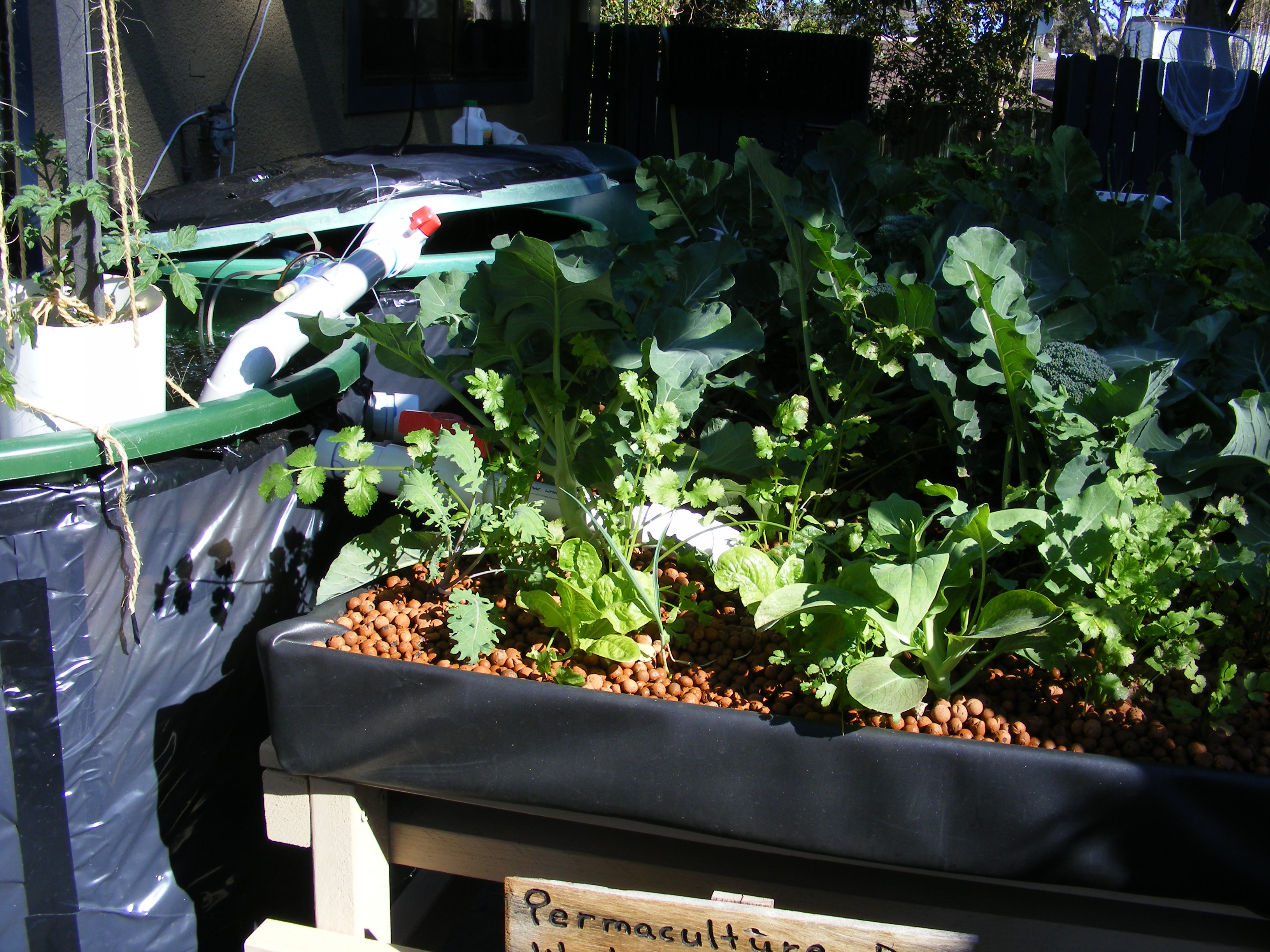
One well-designed small aquaponics system can supply herbs, leafy greens and seasonal vegetables while taking up only a small corner of your yard.
Many people are surprised to discover they spend less time maintaining a compact aquaponics system than they do caring for a traditional vegetable garden.
Instead of asking how much space you need, it's often better to ask how well you can use the space you already have.
Courtyards
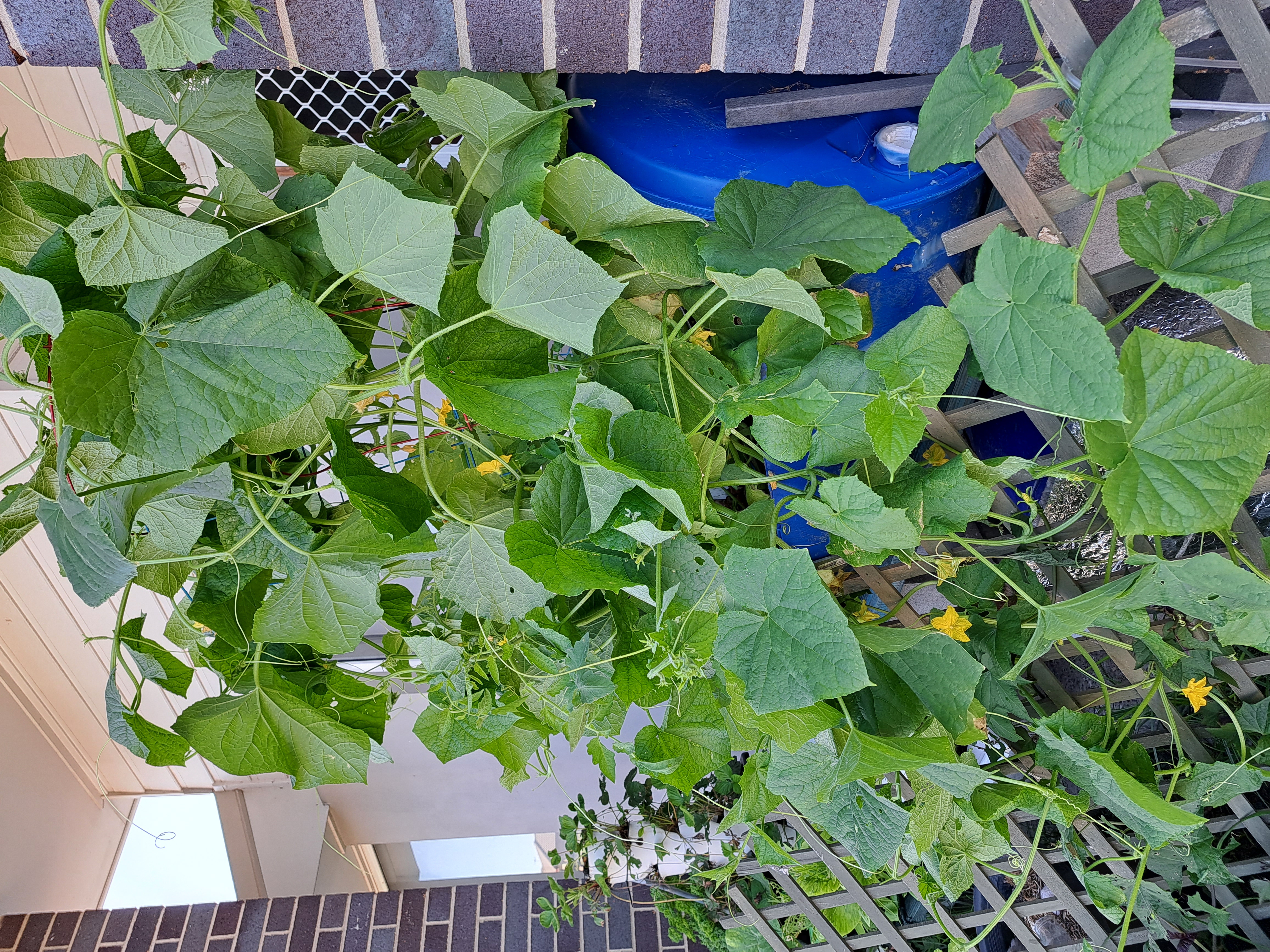
Courtyards are one of the easiest places to build a backyard aquaponics system.
Even a small courtyard can comfortably support a productive system.
Patios
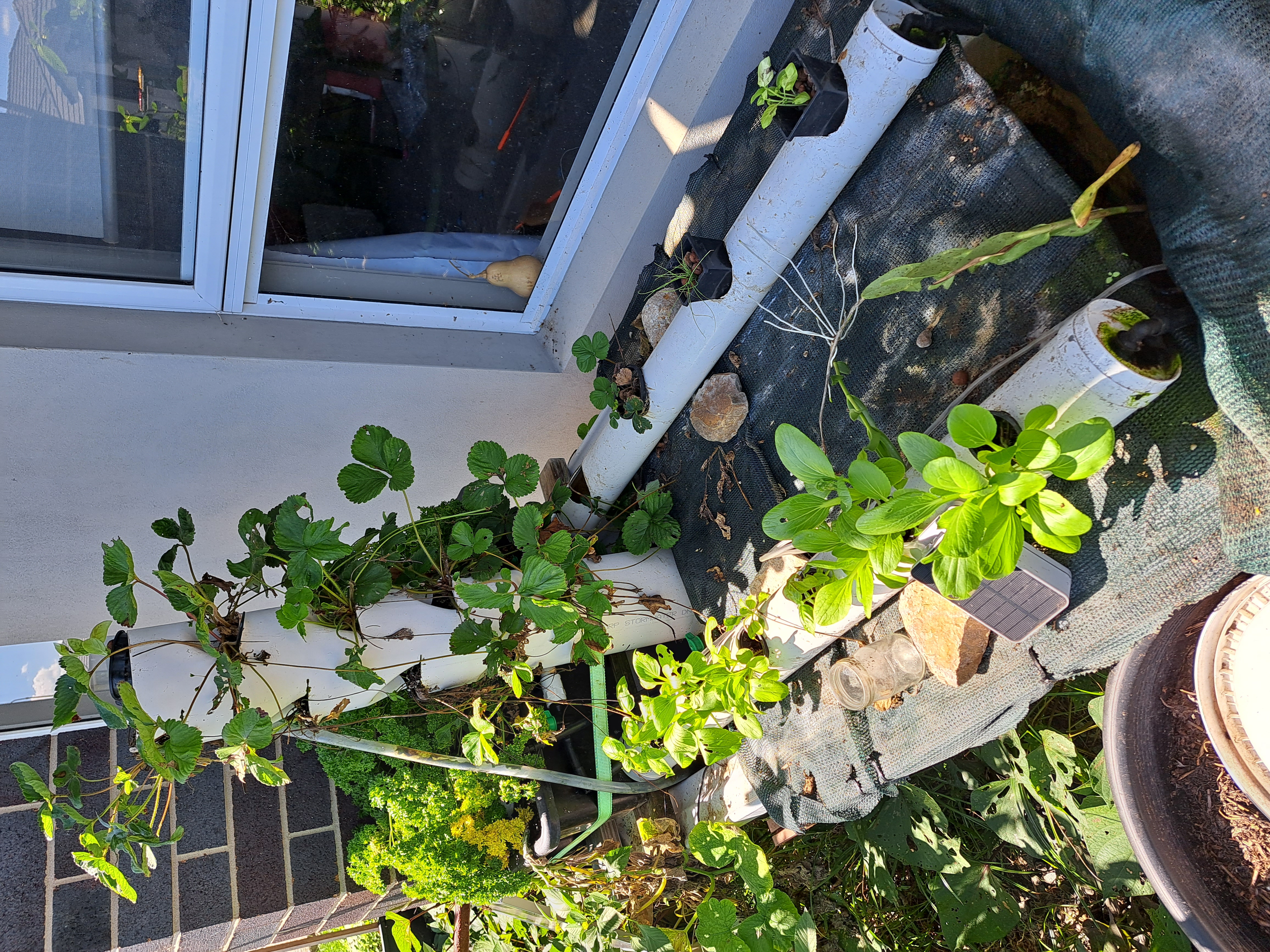
Patios already provide a level surface and are often close to power and water.
This makes them ideal for simple aquaponics systems that are easy to maintain and harvest from every day.
Small Backyards
A narrow suburban backyard may look too small at first, but many have unused areas along fences or pathways that can become highly productive growing spaces without taking over the yard.
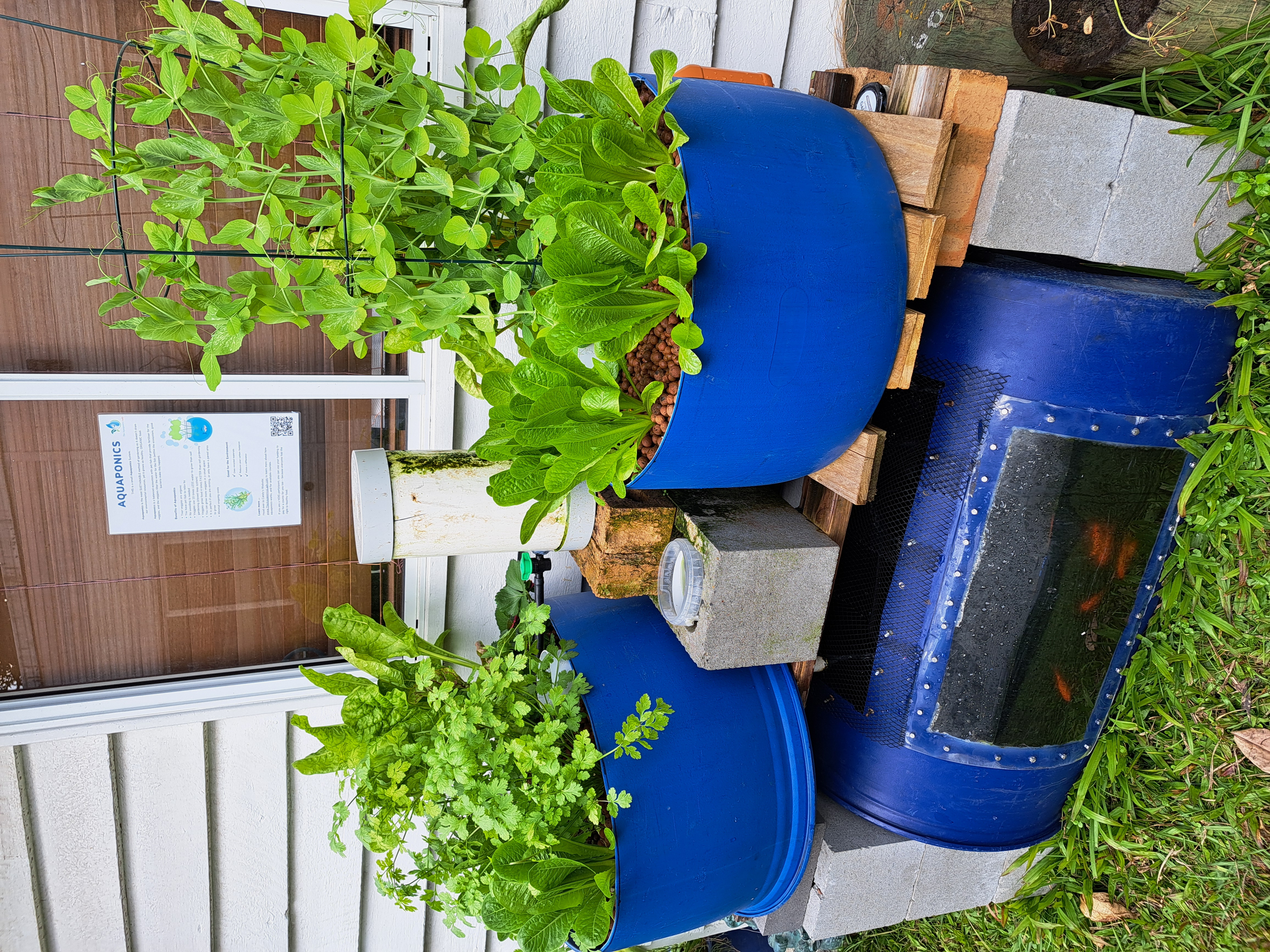
From My 20 Years of Practical Aquaponics
One of the biggest surprises for people visiting my systems is how little space they actually occupy.
Many expect aquaponics to require a huge backyard, but once they see vegetables growing from a compact system, they quickly realise it isn't the size of the yard that matters. It's how efficiently that space is used.
Some of my favourite systems have also been among the smallest.
Twenty years of building, testing and refining simple backyard aquaponics systems.
What Can You Grow in a Small Space?
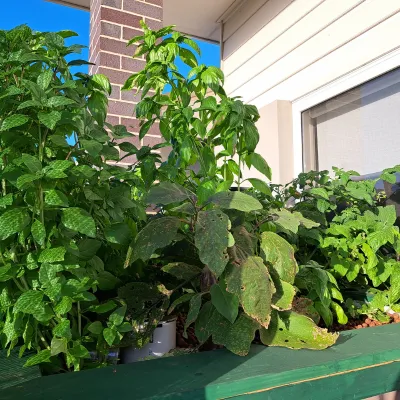
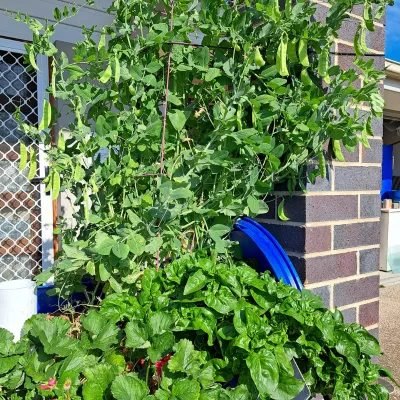
A compact aquaponics system can still produce an impressive amount of fresh food throughout the year.
Many backyard growers regularly harvest:
Strawberries
Capsicums
Cucumbers
Chives
Silverbeet
Tomatoes
Parsley
Basil
Zucchini
Corn
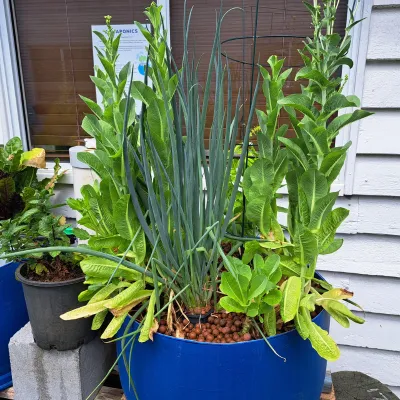

The secret isn't growing unusual plants.
It's creating a healthy system that consistently provides water, oxygen and nutrients to the crops you actually enjoy eating.
Designing for Small Spaces
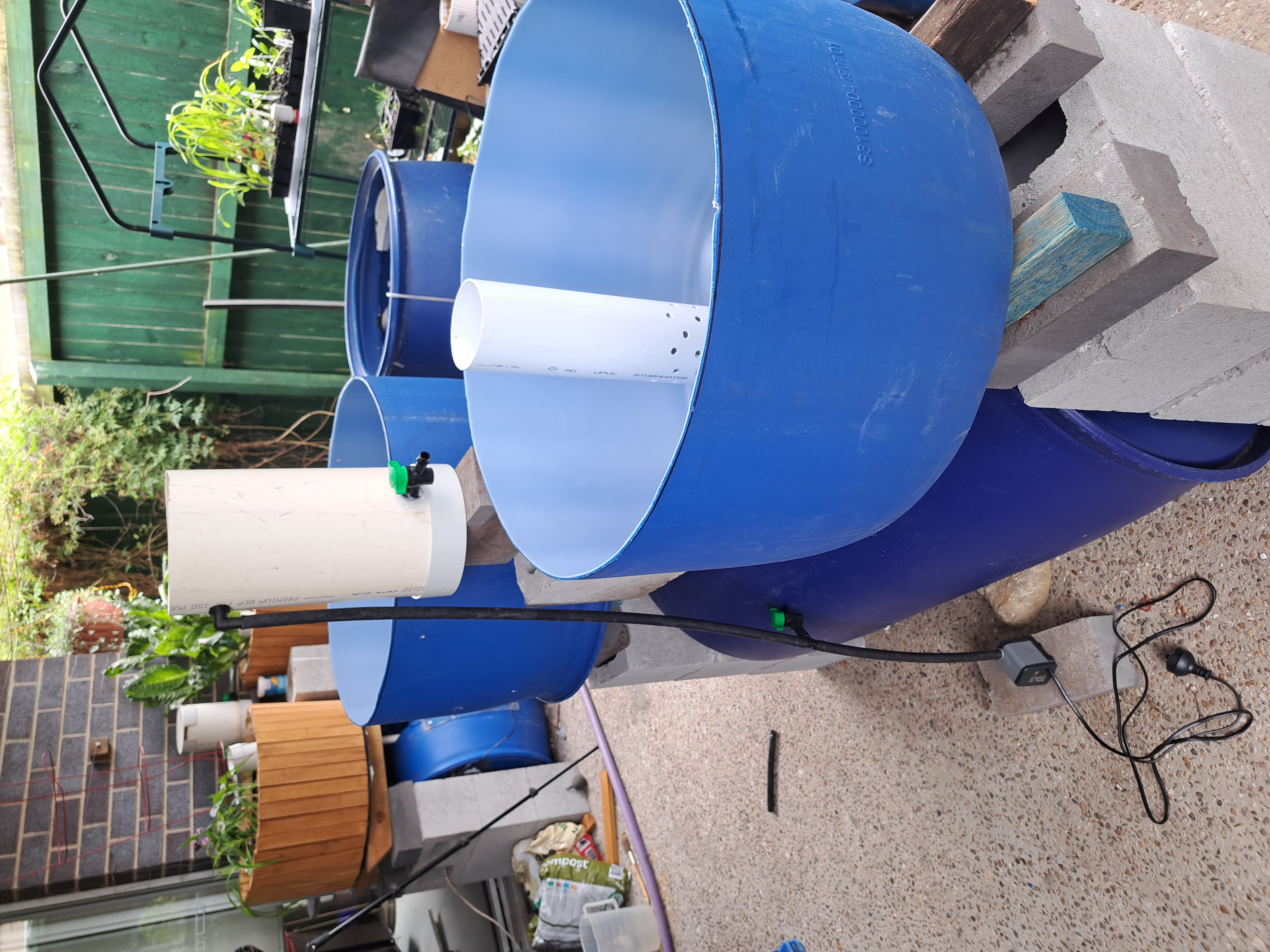
A small system works best when every part has been planned carefully.
Simple layouts are easier to build, easier to maintain and usually produce better long-term results than complicated designs squeezed into limited.
A little planning before you start building can make everyday maintenance much easier for years to come.
Keep Everything Close Together
Short pipe runs reduce plumbing, improve water flow and make systems easier to maintain.
Leave Room to Work
Always leave enough space to feed the fish, harvest vegetables and perform routine maintenance comfortably.
Think About Sunlight
Choose the sunniest practical location. Most vegetables perform far better with plenty of direct sunlight.
Plan for Expansion
Even if you only build one grow bed today, think about where a second one could go later if you decide to expand.
Common Small Space Mistakes
The most common mistake isn't building a system that's too small.
It's trying to fit too much into the available space.
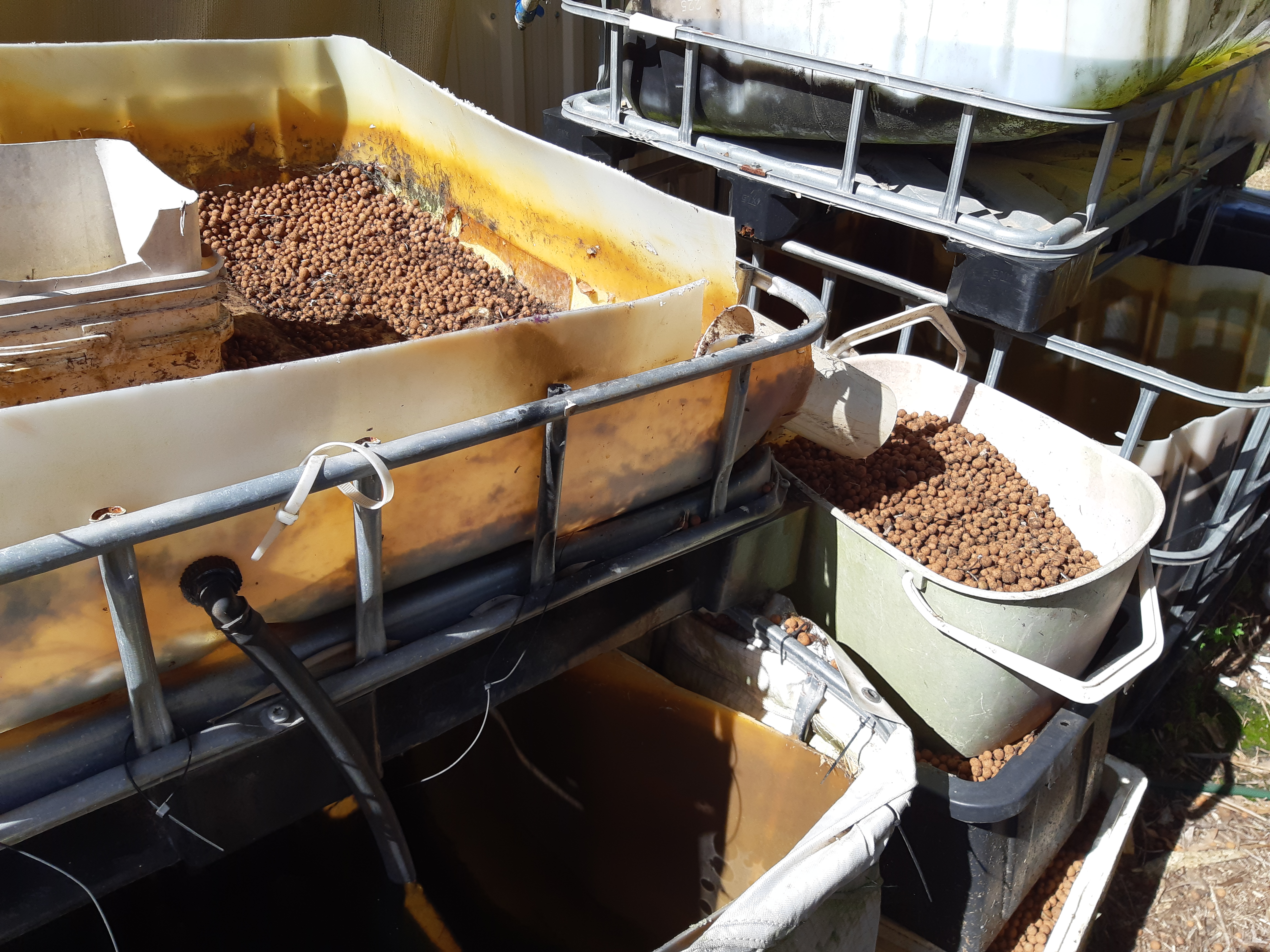
Avoid oversized fish tanks, unnecessary plumbing and complicated layouts that become difficult to maintain.
A simple system you'll enjoy using every day is almost always a better choice than a larger system that's frustrating to manage.

Why I Teach Small Systems First
Everything I teach begins with smaller systems.
Not because they're limited.
Because they're practical.
Smaller systems cost less to build, teach exactly the same principles and allow you to gain confidence before investing more time and money.
Once you understand how a compact system works, those same principles apply whether your next system holds 500 litres or 5,000 litres.
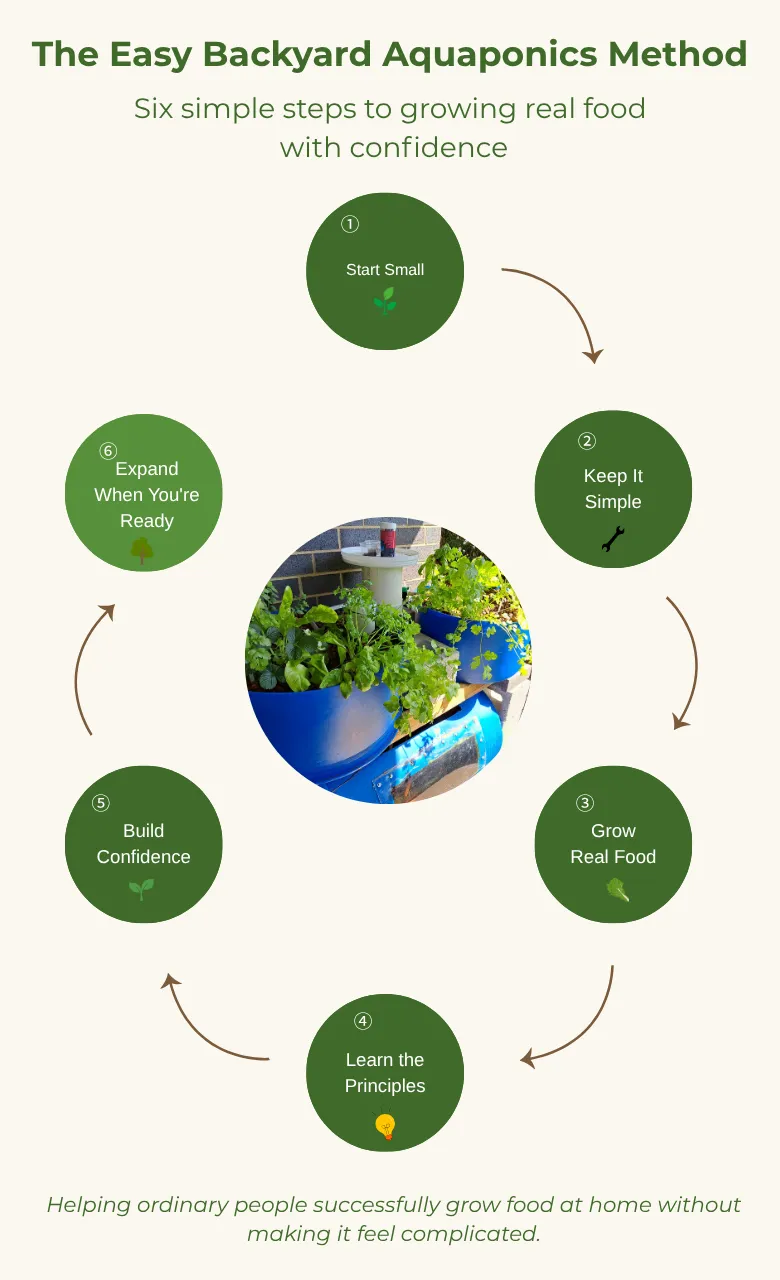
The Easy Backyard Aquaponics Method
Small spaces don't require different principles.
They simply require thoughtful design.
1. Start Small
Build a system that suits your available space, budget and confidence.
2. Keep It Simple
Choose reliable designs and affordable materials rather than unnecessary complexity.
3. Grow Real Food
Focus on producing vegetables and herbs your household will actually enjoy eating.
4. Learn the Principles
Understand why the system works instead of simply copying someone else's design.
5. Build Confidence
Allow each season and each harvest to increase your knowledge.
6. Expand When You Are Ready
Once you've mastered the fundamentals, the same principles apply whether your next system is 500 litres or 5,000 litres.
Where to Go Next
Easy Aquaponics Systems
Compare practical system designs for first-time builders.
Aquaponics for Renters
Learn how to build portable systems that can move with you.
Aquaponics Courses
Ready to build? Follow step-by-step courses designed around practical backyard systems.
Ready to Build an Aquaponics System That Fits Your Space?
You don't need a large property to start growing fresh food.
With a simple design, a little planning and an understanding of the basic principles, even a small courtyard or patio can become a productive aquaponics garden.
Whether you're building your very first system or looking for ideas that better suit your home, the next step is choosing a design that matches your available space.
Copyright 2026 | Easy Backyard Aquaponics | All Rights Reserved Email: [email protected] Queensland, Australia