Easy Aquaponics Systems
By the end of this page, you'll understand the most common backyard aquaponics system designs and have a much better idea which one is right for your home.
One of the first questions people ask after learning how aquaponics works is:
"Which system should I build?"
The good news is there isn't one perfect aquaponics system.
The best design depends on the space you have available, what you'd like to grow, your budget and how much experience you have.
Over the years I've built and experimented with many different aquaponics systems.
Some are perfect for courtyards and patios. Others suit larger backyards, while some are designed for indoors or specialised growing.
This page introduces the most common backyard aquaponics systems you'll come across, explains where each one works best and helps you decide which direction to explore next.
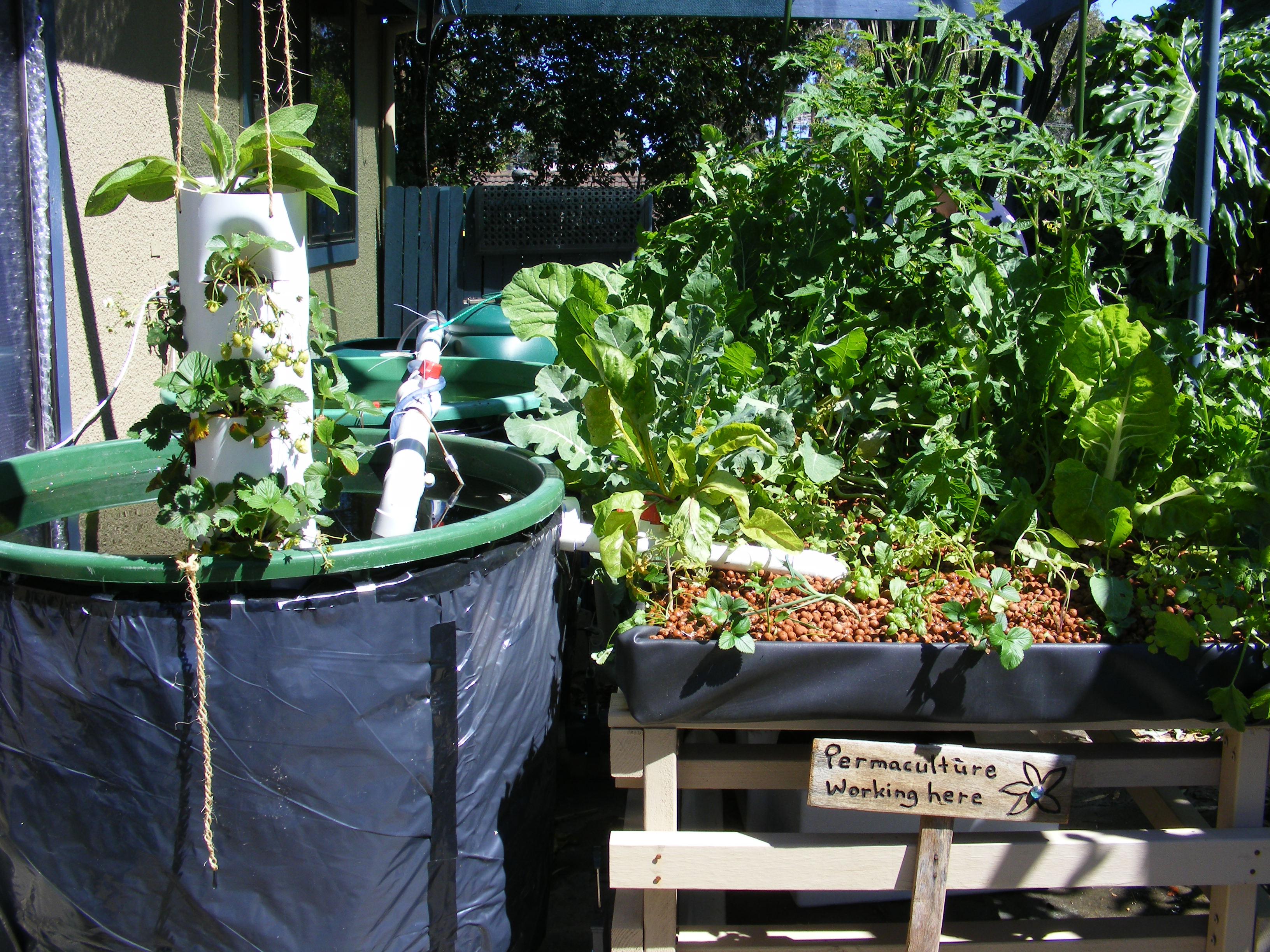
Start learning basic principles, and identify what type of aquaponics system suits the needs of your family, of your space and your location.
Every aquaponics system is different, from the amount of space available through to whether you want ornamental or edible fish.
The good news is, the same principles apply to a small system as well as a large aquaponics system, you can learn on a small, affordable system, then expand when ready.
Why Choosing the Right System Matters
Many beginners spend weeks trying to find the "best" aquaponics system.
The reality is that every system involves compromises.
Some are easier to build.
Some produce more food.
Some fit beautifully into small spaces.
Others are better suited to larger backyards or people wanting to expand over time.
Rather than asking which system is best, it's more helpful to ask which system is best for your home.
Choosing a design that matches your available space and confidence makes the entire learning process much more enjoyable.
Popular Backyard Aquaponics System Designs
You'll find dozens of aquaponics designs online.
Some are highly engineered commercial systems.
Others have been built using recycled materials or adapted to suit a particular backyard.
Despite all the variations, most backyard systems are based on just a handful of proven designs.
Understanding these common layouts makes it much easier to recognise the strengths of each one and decide which system is likely to suit your own goals.
The following designs are the ones you'll most commonly encounter in backyards, and each has its own strengths depending on your available space, budget and goals.
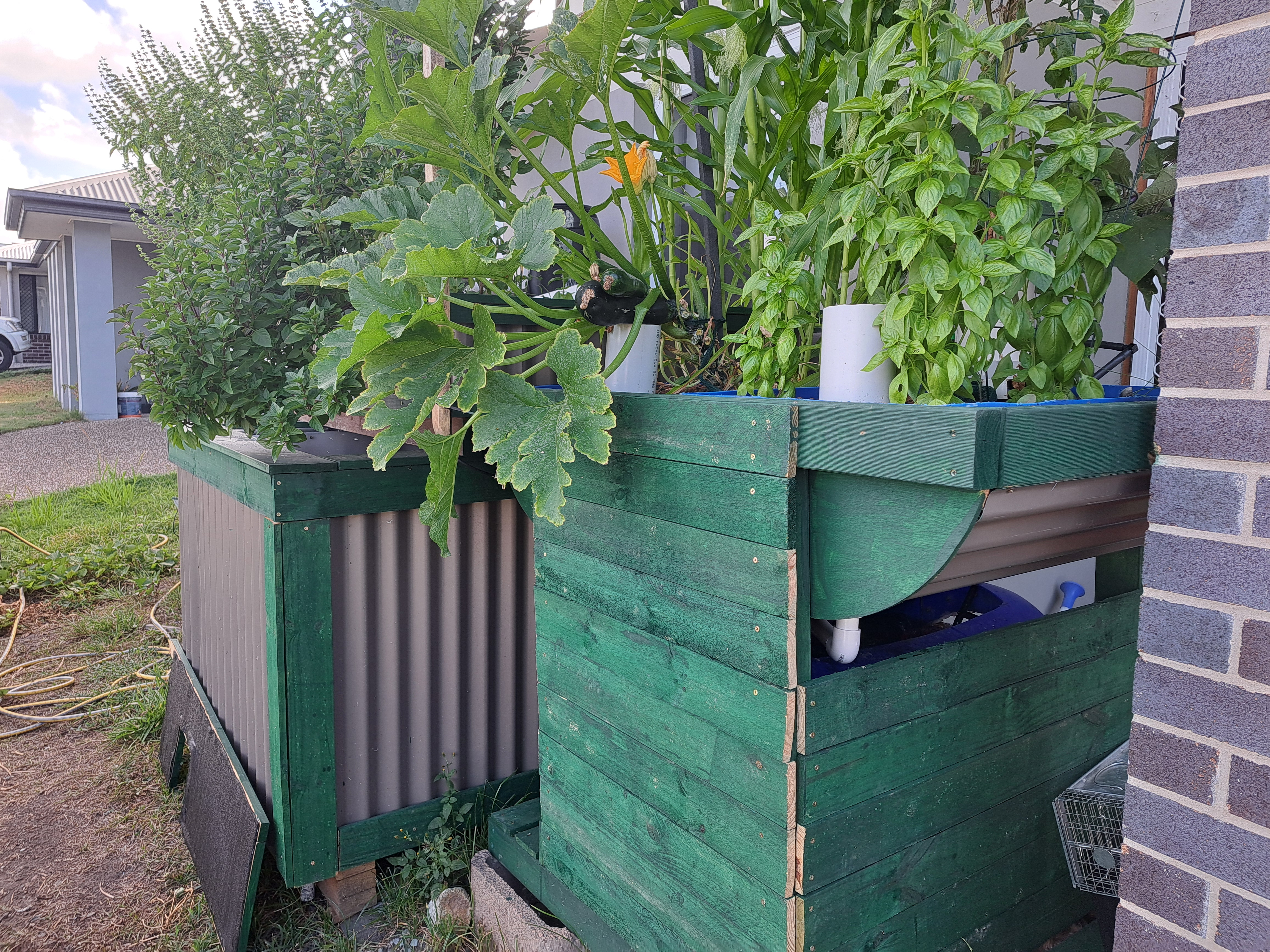
Courtyard Aquaponics System
The Courtyard Aquaponics System is the design I recommend for most people building their first backyard aquaponics system.
It wasn't created in a workshop or copied from another design.
It evolved over many years of building, testing and refining backyard aquaponics systems while helping ordinary people learn how aquaponics works.
Again and again I saw the same problem.
People wanted to grow fresh food at home, but they didn't have large backyards, unlimited budgets or engineering experience.
Many became overwhelmed by complicated plumbing and oversized systems before they'd even added their first fish.
The Courtyard Aquaponics System was designed to remove those barriers.
It combines a compact footprint with simple construction, reliable filtration and plenty of growing space, making it ideal for courtyards, patios and smaller suburban backyards.
Most importantly, it teaches the same natural principles used in much larger aquaponics systems.
Once you understand those principles, expanding later becomes much easier.
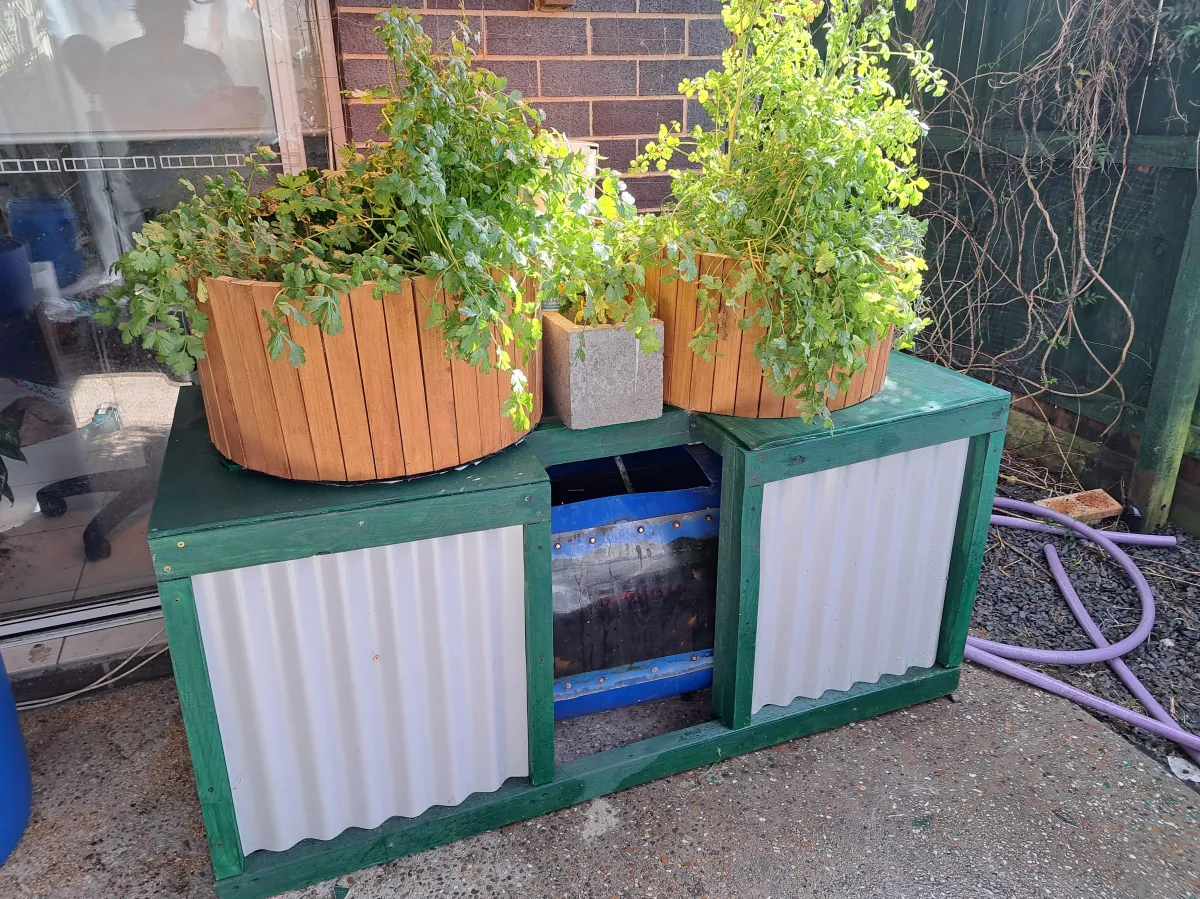
One of the things I like most about this design is that it doesn't ask people to choose between simplicity and productivity.
It's straightforward enough for someone building their first aquaponics system, yet capable of producing an impressive amount of fresh vegetables, herbs and seasonal crops.
Because everything is kept close together, everyday jobs like feeding the fish, checking the water and harvesting vegetables become quick and enjoyable rather than feeling like hard work.
For many people, that's the difference between a system that's used every day and one that's slowly forgotten.
Who Is This System Best Suited To?
The Courtyard Aquaponics System is ideal for:
People building their first aquaponics system.
* Courtyards and patios.
* Small suburban backyards.
* Families wanting to grow fresh food at home.
* People who prefer a practical DIY project without unnecessary complexity
If your goal is to build a practical backyard aquaponics system that fits comfortably into everyday life, this is the design I recommend starting with.
It forms the foundation of my Courtyard Aquaponics Course, where I guide you step by step through construction, water quality, fish care and the natural ecosystem that keeps everything working together.
If you prefer to build at your own pace, the complete construction plans are also available as a downloadable PDF guide.
Media Growbed Aquaponics System
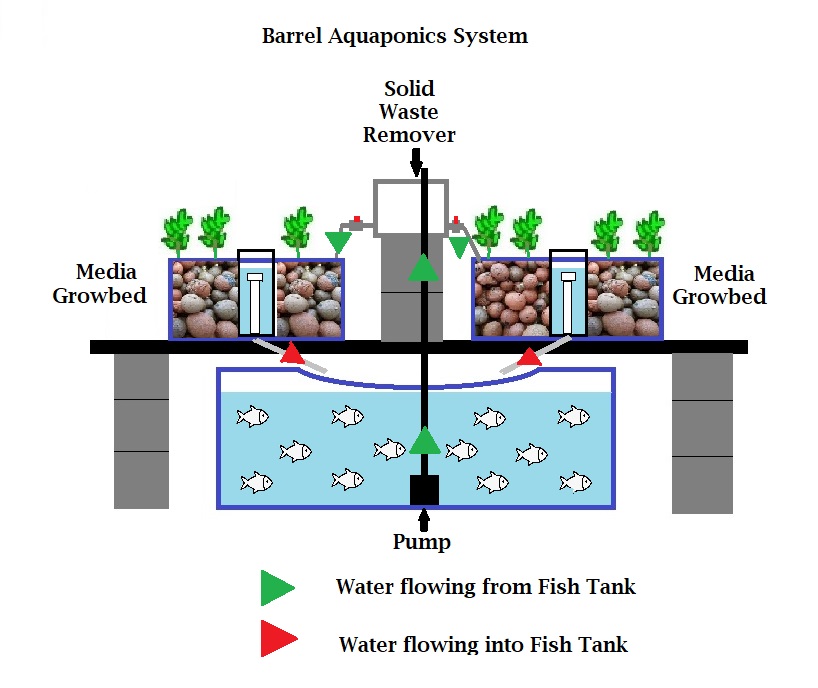
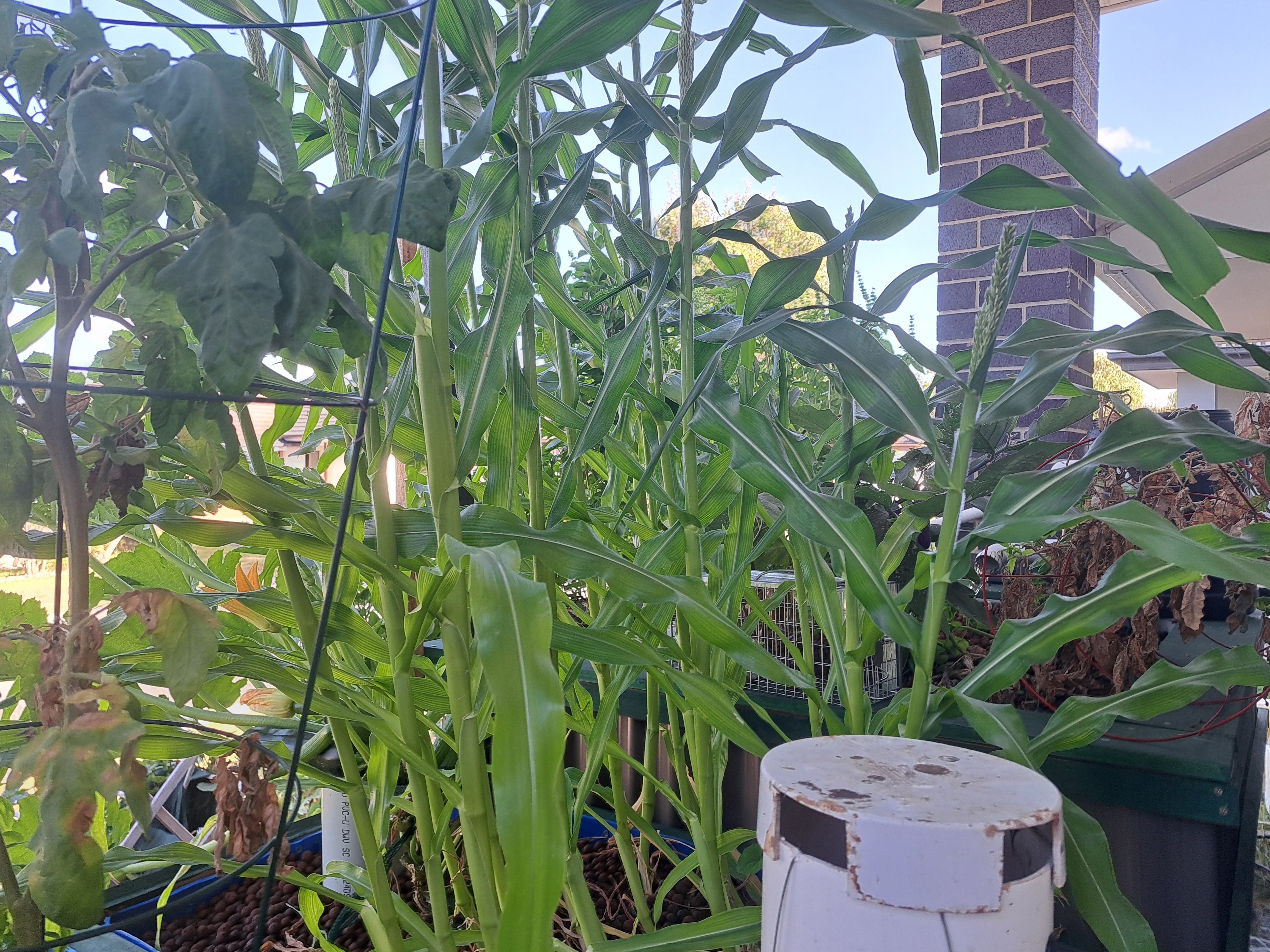
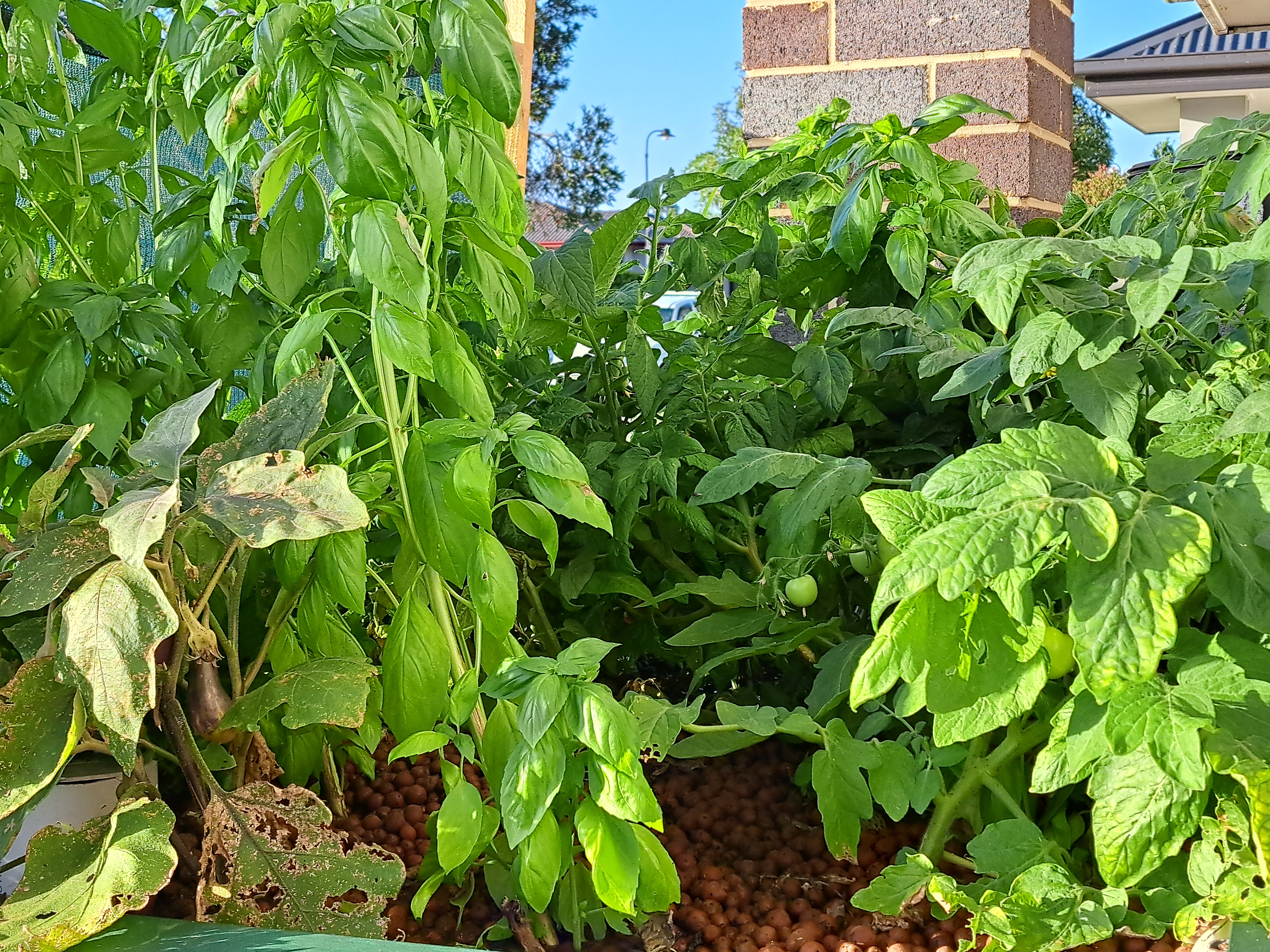
Media growbed systems are one of the most common aquaponics designs used around the world.
Plants grow in gravel or expanded clay media while water from the fish tank flows through the grow bed before returning to the system.
The growing media provides excellent support for plants while also creating a large surface area for beneficial bacteria to live.
Because of their simplicity and reliability, media growbed systems are often recommended for beginners.
They can be built in many different sizes and adapted to suit almost any backyard.
Like every aquaponics system, however, the design needs to suit the available space rather than simply being built as large as possible
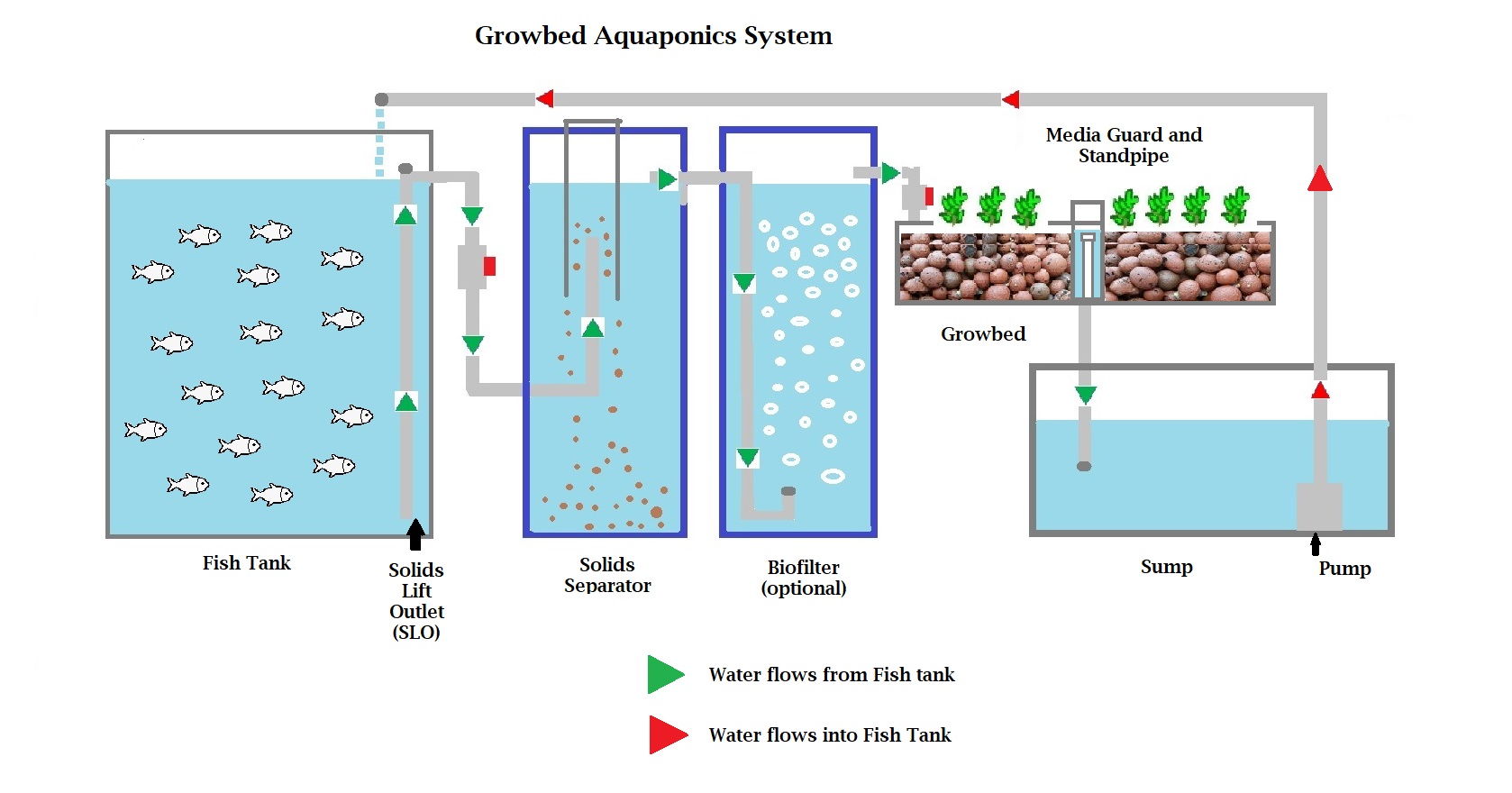
Media growbed systems continue to be one of the most versatile aquaponics designs available.
Whether you're growing herbs for the kitchen or producing larger seasonal vegetables, they provide an excellent balance between simplicity, reliability and productivity.
As you explore other system designs, you'll notice many of them still rely on media grow beds as part of the overall filtration process.
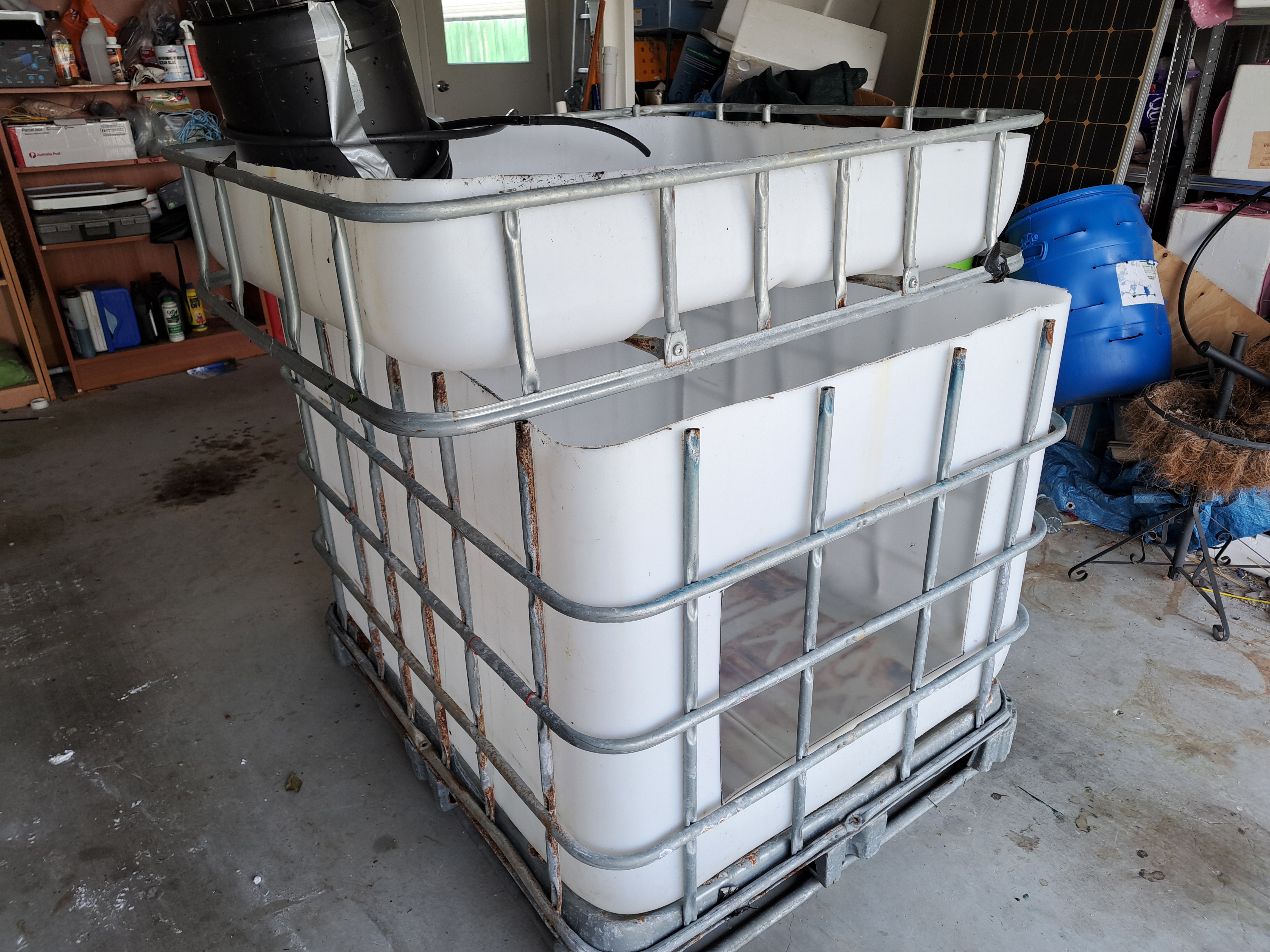
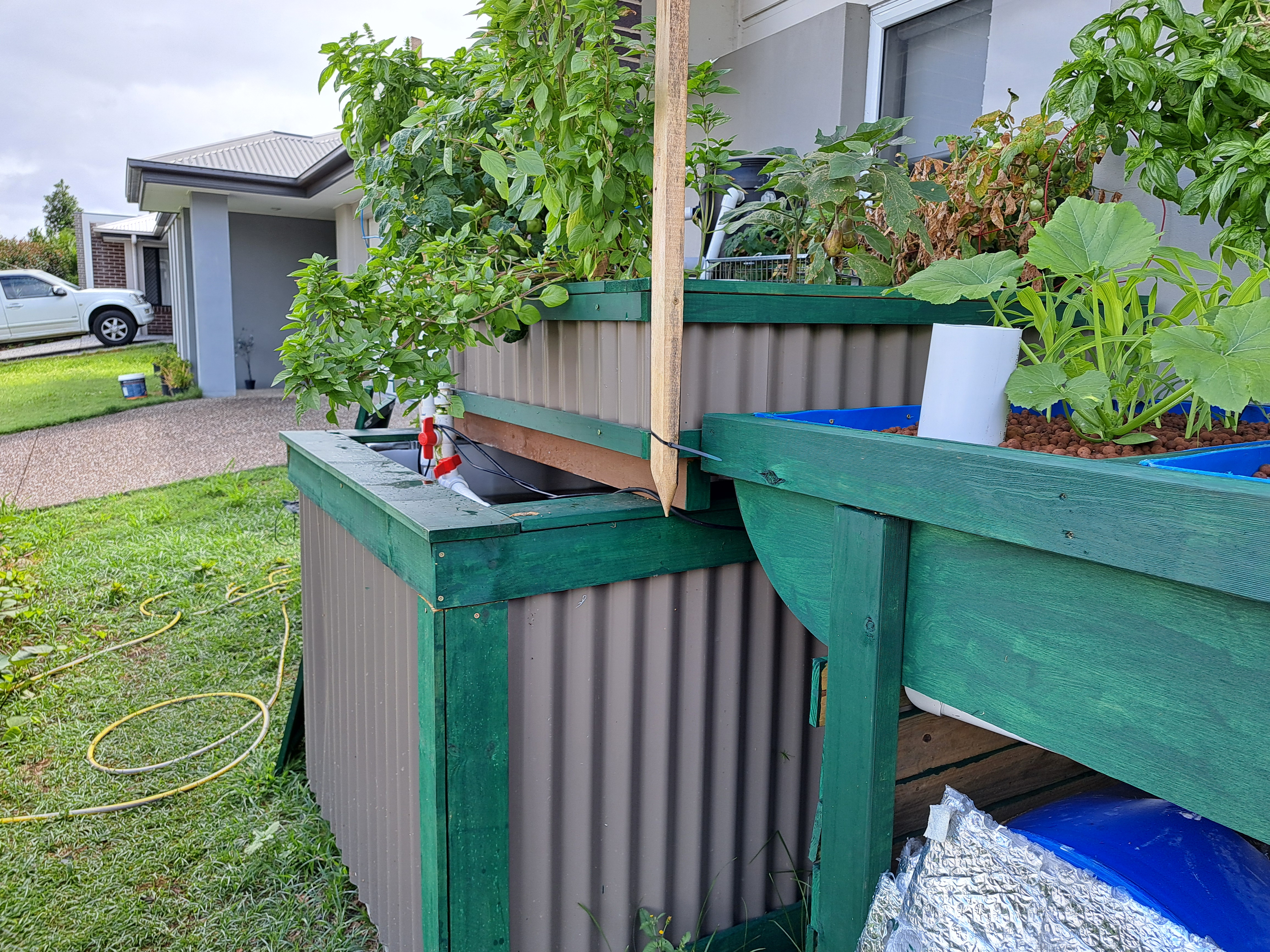
The IBC Chop & Flip System is an excellent option for people with a little more backyard space who enjoy building their own projects.
While it isn't quite as compact as the Courtyard Aquaponics System, it remains one of the most practical DIY aquaponics designs available.
In this IBC Chop & Flip Aquaponics System, I have added a solid waste catcher at the back, to keep the growbed media waste free.
Because I like to see the fish, and check on their health, I added a window in the fish tank, that I can actually see through my house window, making sure my fish are healthy.
IBC Chop & Flip Aquaponics System
The IBC Chop & Flip System has become one of the most recognisable backyard aquaponics designs.
It uses a standard Intermediate Bulk Container (IBC), which is cut into sections to create both the fish tank and grow bed.
Because many second-hand IBCs are readily available, this design has become a popular DIY project for people wanting a larger backyard system.
A well-built IBC system can grow an impressive amount of food while providing plenty of room for fish.
Many builders also customise the design by adding extra grow beds, filtration or solids separation as their knowledge grows.
Like any aquaponics system, however, success comes from understanding the biological processes rather than simply copying a plumbing diagram.
Multi Growbed Aquaponics System
As confidence grows, many backyard aquaponics enthusiasts begin expanding their original systems.
One of the simplest ways to do this is by adding additional grow beds.
Rather than building an entirely new system, multiple grow beds allow you to increase growing space while continuing to use the same fish tank and water circulation.
This approach makes it possible to grow a wider variety of vegetables while spreading harvesting throughout the year.
Larger systems also create opportunities to experiment with different growing methods and seasonal crops without changing the basic principles of aquaponics
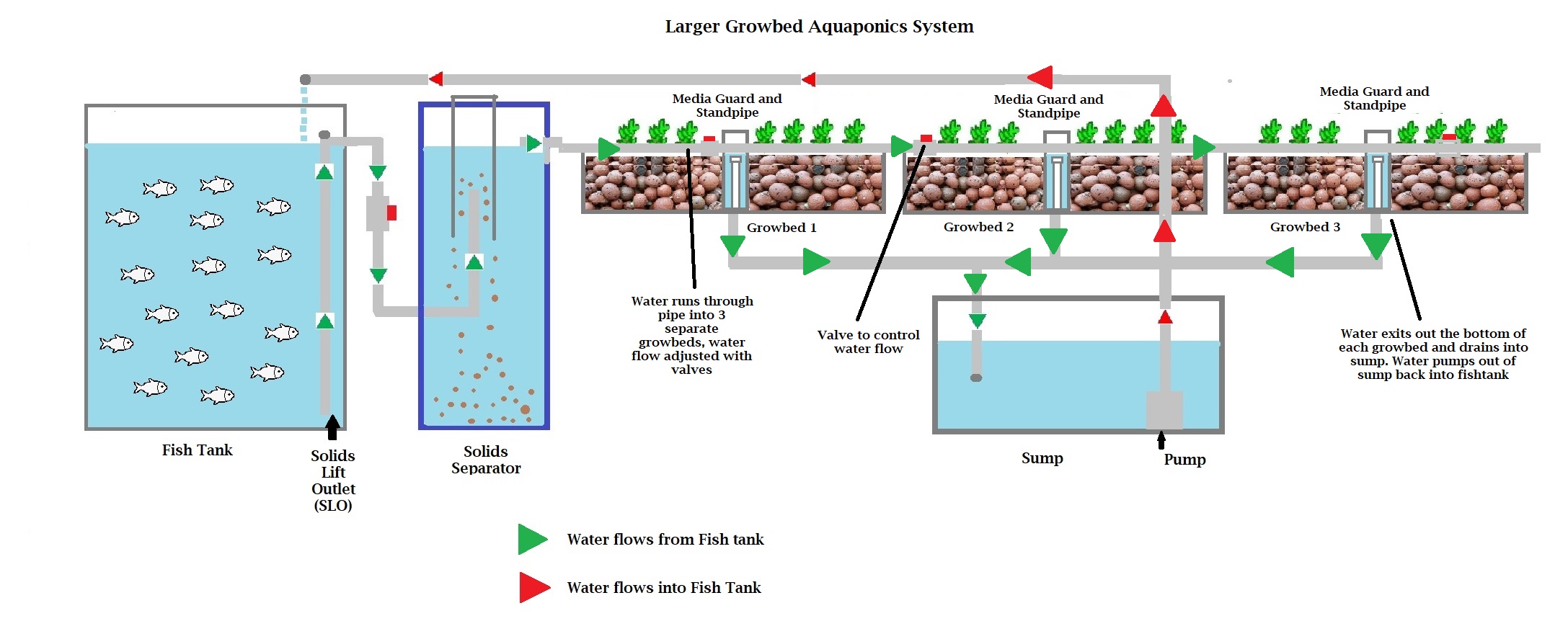
Although larger systems can produce more food, they also require more planning, more materials and more ongoing maintenance.
For most people, it's far easier to begin with a smaller system and expand gradually as confidence grows.
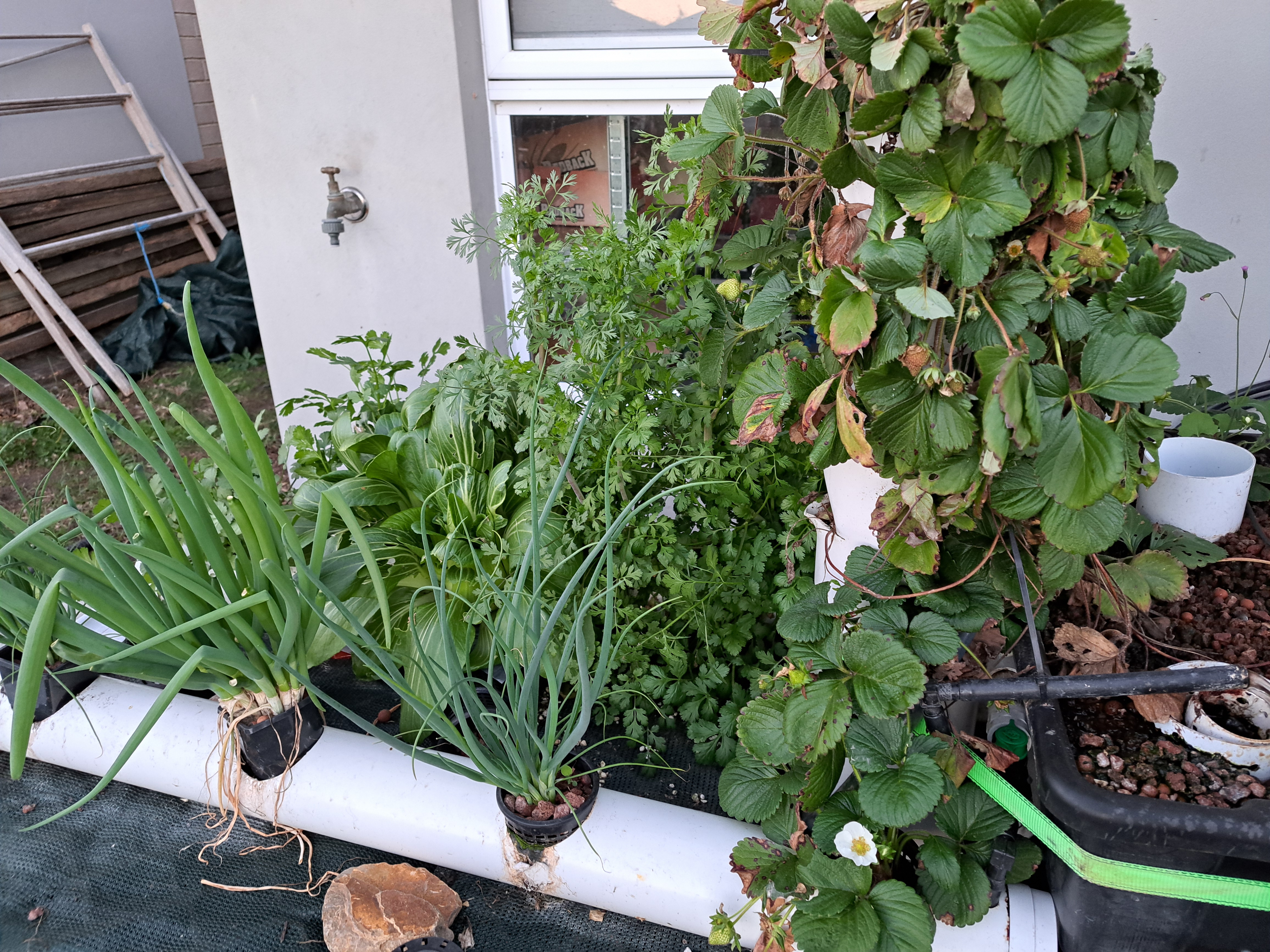
NFT Aquaponics System
NFT stands for Nutrient Film Technique.
Instead of growing plants in media-filled grow beds, water flows continuously through narrow channels where plant roots absorb nutrients directly from the moving water.
NFT systems are commonly used for leafy greens, herbs and other smaller crops.
Because the channels are lightweight and compact, they can produce large numbers of plants within a relatively small area.
Many larger backyard aquaponics systems include NFT channels alongside traditional grow beds, allowing growers to produce different types of crops using the same water supply.
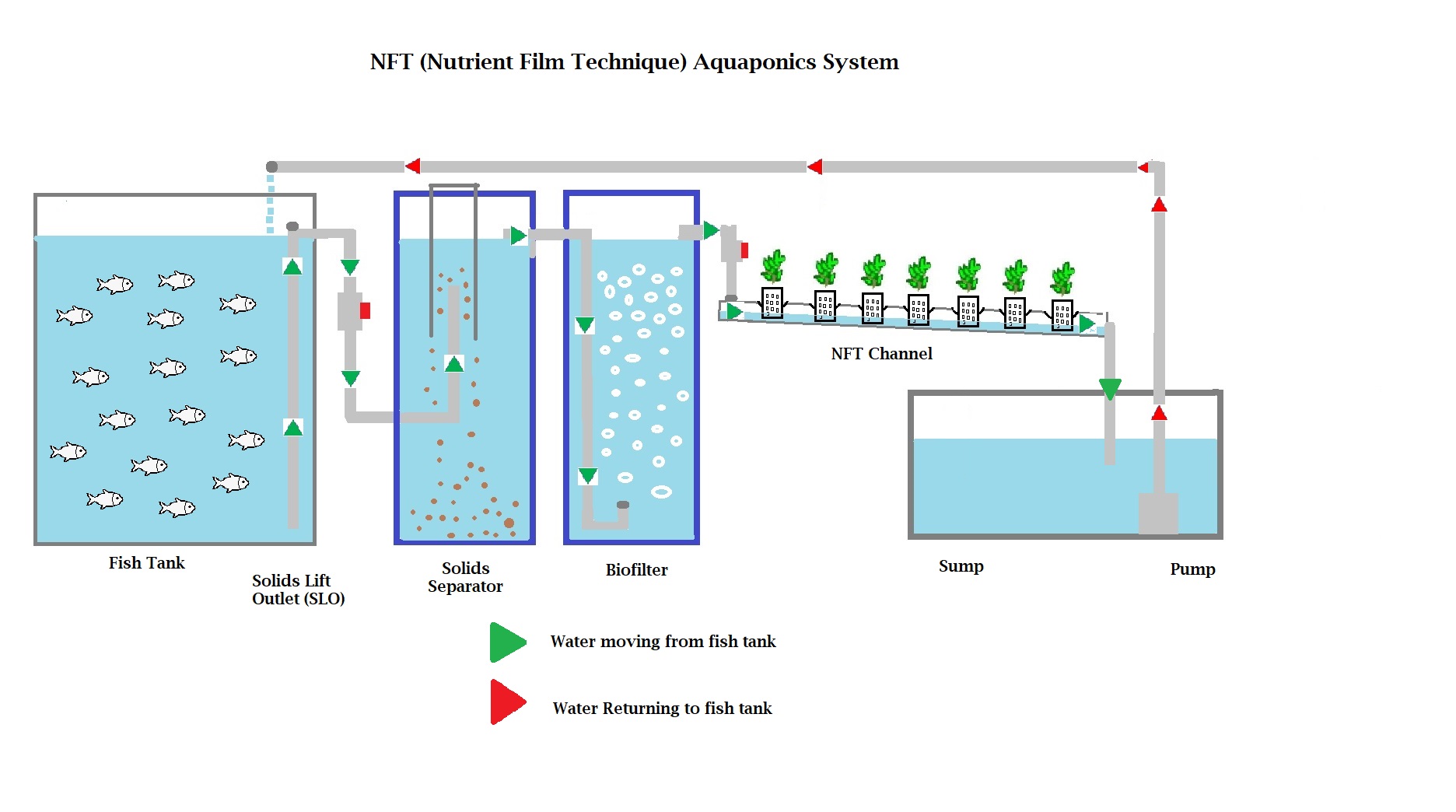
Although NFT systems can be extremely productive, they generally work best when combined with good mechanical and biological filtration elsewhere in the system.
They're often added after people have gained some experience with more traditional aquaponics designs.
Indoor Aquarium Aquaponics System
Not every aquaponics system needs to live outdoors.
Indoor aquarium aquaponics combines ornamental fish with small growing systems that produce herbs, leafy greens and other compact plants inside the home.
These systems are particularly popular for people living in apartments, colder climates or anyone wanting to enjoy aquaponics throughout the year.
They also make excellent educational systems because every part of the ecosystem is easy to observe.
Watching fish, plants and beneficial bacteria work together is one of the best ways to understand how aquaponics functions.
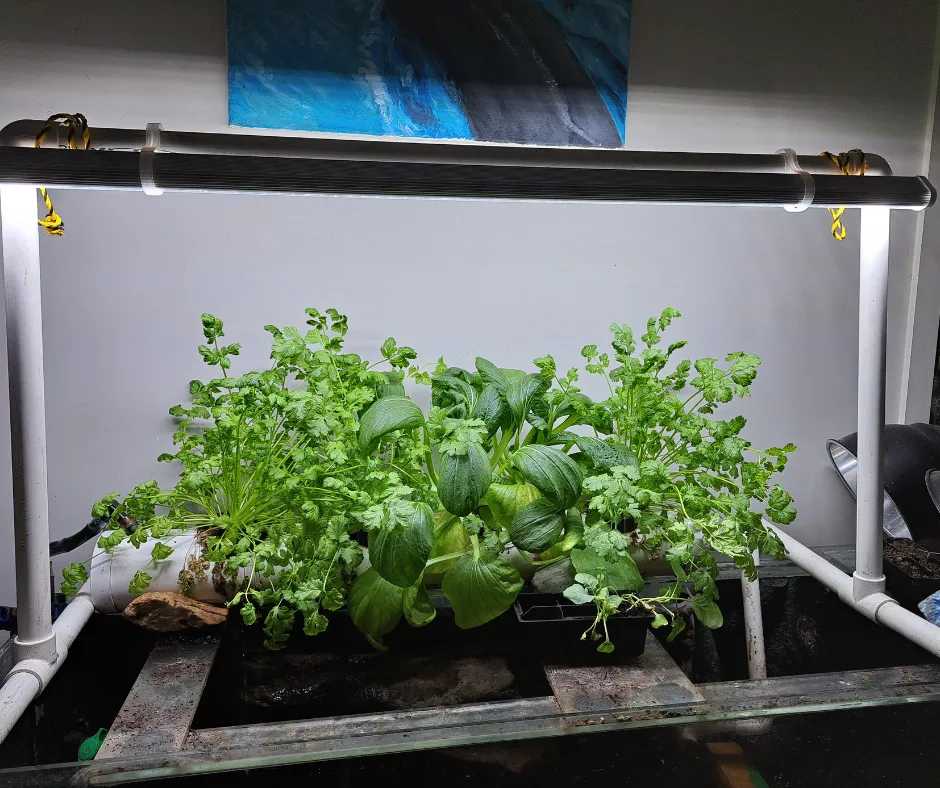
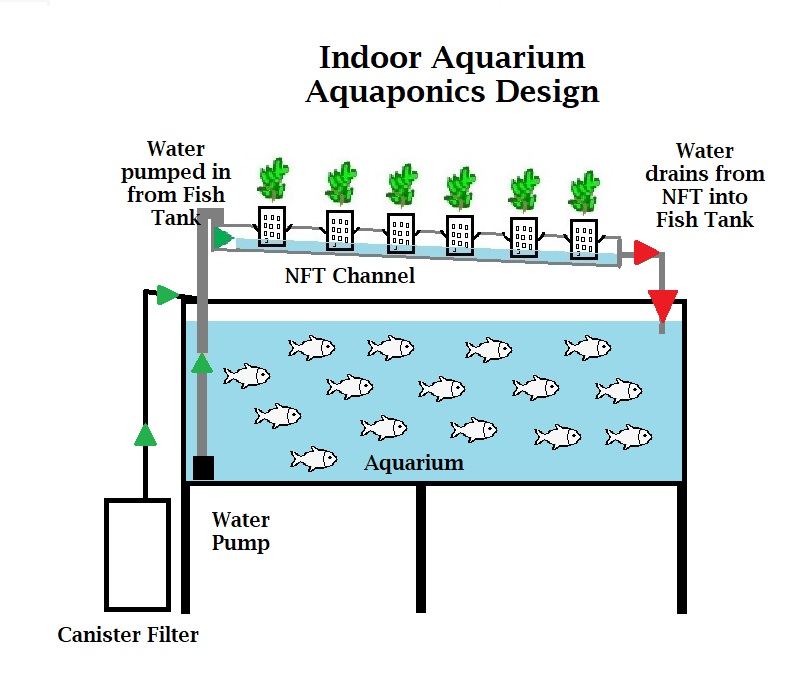
Although these systems are much smaller than outdoor backyard installations, the biological principles remain exactly the same.
For many people, an indoor system becomes the first step towards building a larger aquaponics system outdoors.
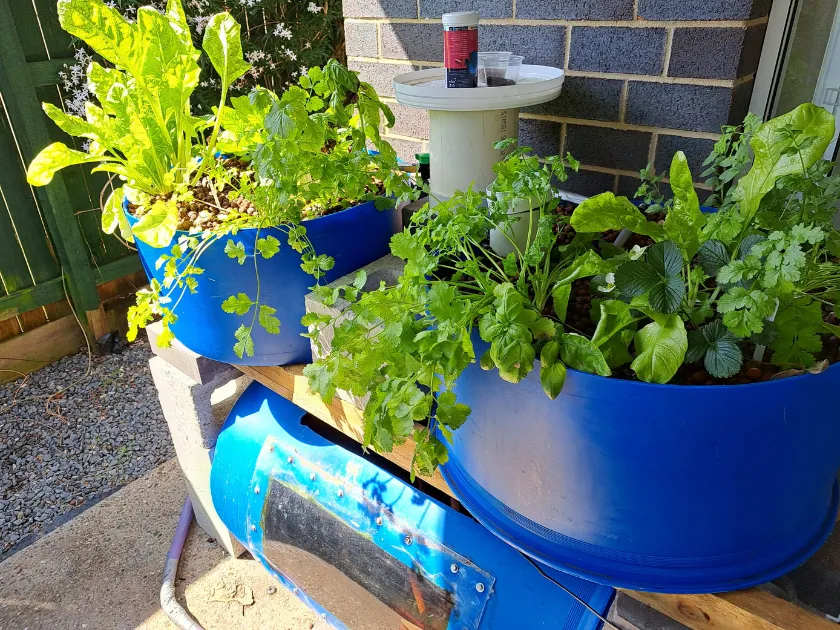
This is one way to build an indoor aquarium based aquaponics system, you can also use a small growbed instead of the NFT channel.
It depends of how many fish you have, and what you are wanting to grow. I am actually using my turtle waste as fertiliser for these herbs, a great example of how flexible aquaponics is.
Which Aquaponics System Should You Choose?
After looking at several different designs, it's easy to start wondering which one is "best."
The truth is that every successful aquaponics system has one thing in common.
It suits the person who built it.
The best aquaponics system isn't necessarily the biggest or the most expensive. It's the one you'll enjoy using for years to come.
If you have a small courtyard, choose a system that comfortably fits the available space.
If you enjoy DIY projects and have a larger backyard, an IBC system may be a good option.
If you're interested in expanding over time, multiple grow beds provide plenty of flexibility.
And if you're simply curious about aquaponics, an indoor aquarium system can be an enjoyable way to begin learning.
The most important decision isn't choosing the biggest system.
It's choosing one you'll actually enjoy building, maintaining and harvesting from
From My 20 Years of Practical Aquaponics
One of the biggest mistakes I see people make is spending months trying to choose the "perfect" aquaponics system before they've ever built one.
Over the years I've built everything from small educational systems to much larger backyard installations, and one lesson has stayed consistent.
The people who enjoy aquaponics the most usually aren't the ones who started with the biggest or most expensive system.
They're the ones who built something that suited their home, learned how the ecosystem worked and gained confidence through experience.
Once those principles are understood, moving to a larger system becomes much easier.
Twenty years of building, testing and refining simple backyard aquaponics systems.
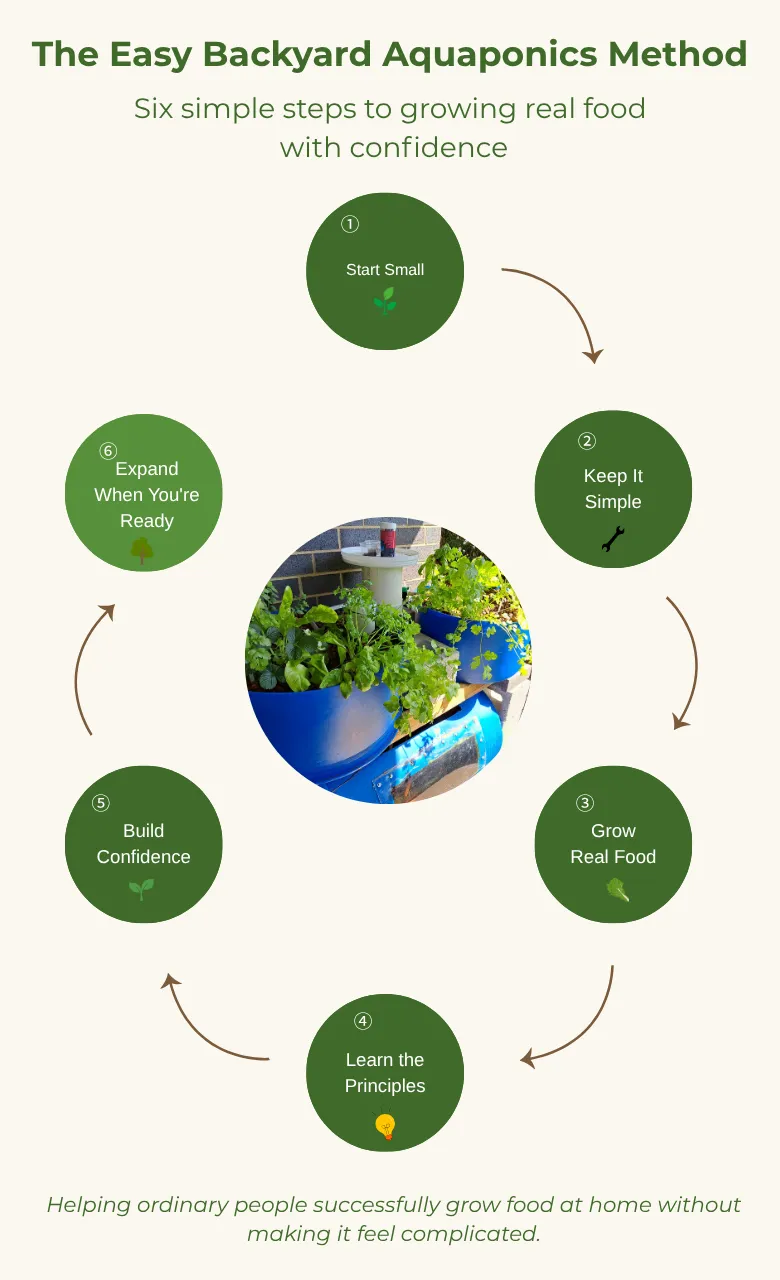
The Easy Backyard Aquaponics Method
Choosing a system isn't about finding the biggest design or copying somebody else's backyard.
It's about choosing a system you'll actually enjoy building, maintaining and harvesting from.
That's why every course and guide on this website follows the same simple approach.
1. Start Small
Build a system that suits your available space, budget and confidence.
2. Keep It Simple
Choose reliable designs and affordable materials rather than unnecessary complexity.
3. Grow Real Food
Focus on producing vegetables and herbs your household will actually enjoy eating.
4. Learn the Principles
Understand why the system works instead of simply copying someone else's design.
5. Build Confidence
Allow each season and each harvest to increase your knowledge.
6. Expand When You Are Ready
Once you've mastered the fundamentals, the same principles apply whether your next system is 500 litres or 5,000 litres.
Prefer to Design Your Own Aquaponics System?
While the Courtyard Aquaponics System is the design I recommend for most beginners, I know some people enjoy creating their own systems from scratch.
If you already have DIY experience, enjoy working with recycled materials or simply want the freedom to design an aquaponics system that suits your own home, the Urban DIY Aquaponics Course may be a better fit.
Rather than showing you how to build one specific system, it teaches the principles behind successful aquaponics design, including different system layouts, filtration, water quality and how the ecosystem works.
Once you understand those foundations, you'll have the confidence to design and build a system that's uniquely yours.
Where to Go Next
Now that you've seen the most common backyard aquaponics system designs, the next step is choosing the information that's most relevant to your situation.
Whether you're working with a small courtyard, planning your first DIY build or looking for step-by-step guidance, these pages will help you move forward.
Courtyard Aquaponics Course
Learn how to build my Courtyard Aquaponics System from start to finish, including construction, water quality, fish care and the biological principles that make aquaponics work.
Aquaponics for Small Spaces
Discover why you don't need a large backyard to grow fresh food with aquaponics.
Aquaponics Basics
Refresh the core principles of fish, plants, bacteria and water that keep every aquaponics system healthy.
Free Mini Course
Still deciding which system is right for you?
The Free Mini Course introduces the different backyard aquaponics system designs and explains what makes each one unique, helping you make a confident decision before you build.
Ready to Choose Your First Aquaponics System?
The hardest part of learning aquaponics isn't building a system.
It's deciding where to begin.
The good news is that you don't need the biggest backyard, the most expensive equipment or years of experience.
You simply need a system that matches your available space and gives you the opportunity to learn.
Whether that means building a Courtyard Aquaponics System, experimenting with an indoor aquarium or planning a larger backyard installation in the future, the same natural principles apply.
Start with a system you can enjoy.
Build your confidence.
Then let your experience guide the next step
Copyright 2026 | Easy Backyard Aquaponics | All Rights Reserved Email: [email protected] Queensland, Australia